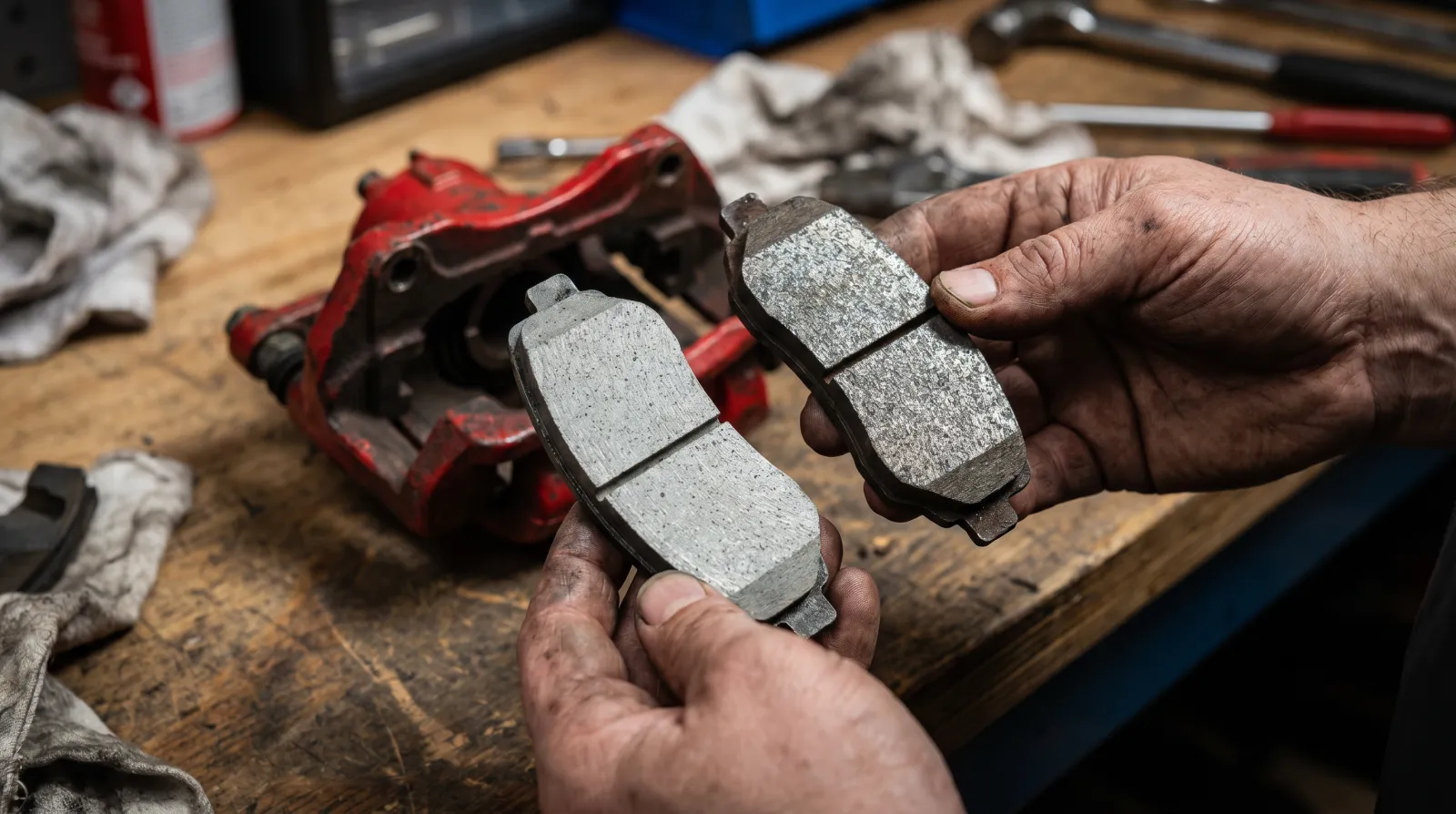
There is no single best brake pad. That sentence alone should save you from buying the wrong set. What there is — for every driving style from quiet suburban commuting to weekend canyon runs to circuit days on a JDM-spec car — is a pad that fits your situation well and a pad that fits it badly. This guide helps you tell them apart, match the right compound to how you actually drive, and avoid the fitment pitfalls that catch even experienced DIYers.
This page is part of the Brake Pad Refresh hub. If you want the deep material science, head to the ceramic vs semi-metallic vs organic explainer. If you want to know what tools you need before you start, the tools and kit guide has you covered.
Top Picks at a Glance
Best Brake Pads, Ranked
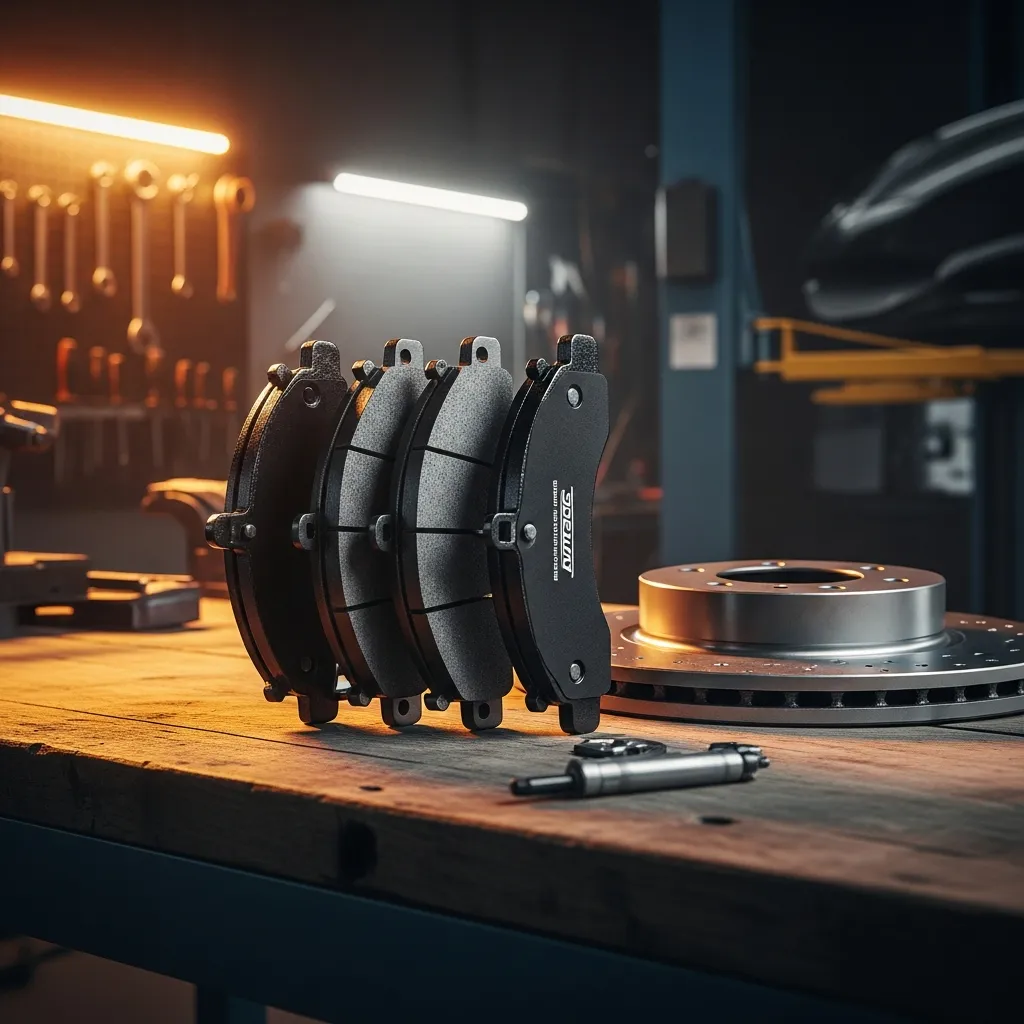
Best for quiet, clean, low-dust daily driving
- Very low dust
- Near-silent braking
- Long pad life
- OE-quality feel
Why buy it: the quietest, cleanest daily-driver pad — a genuine upgrade.
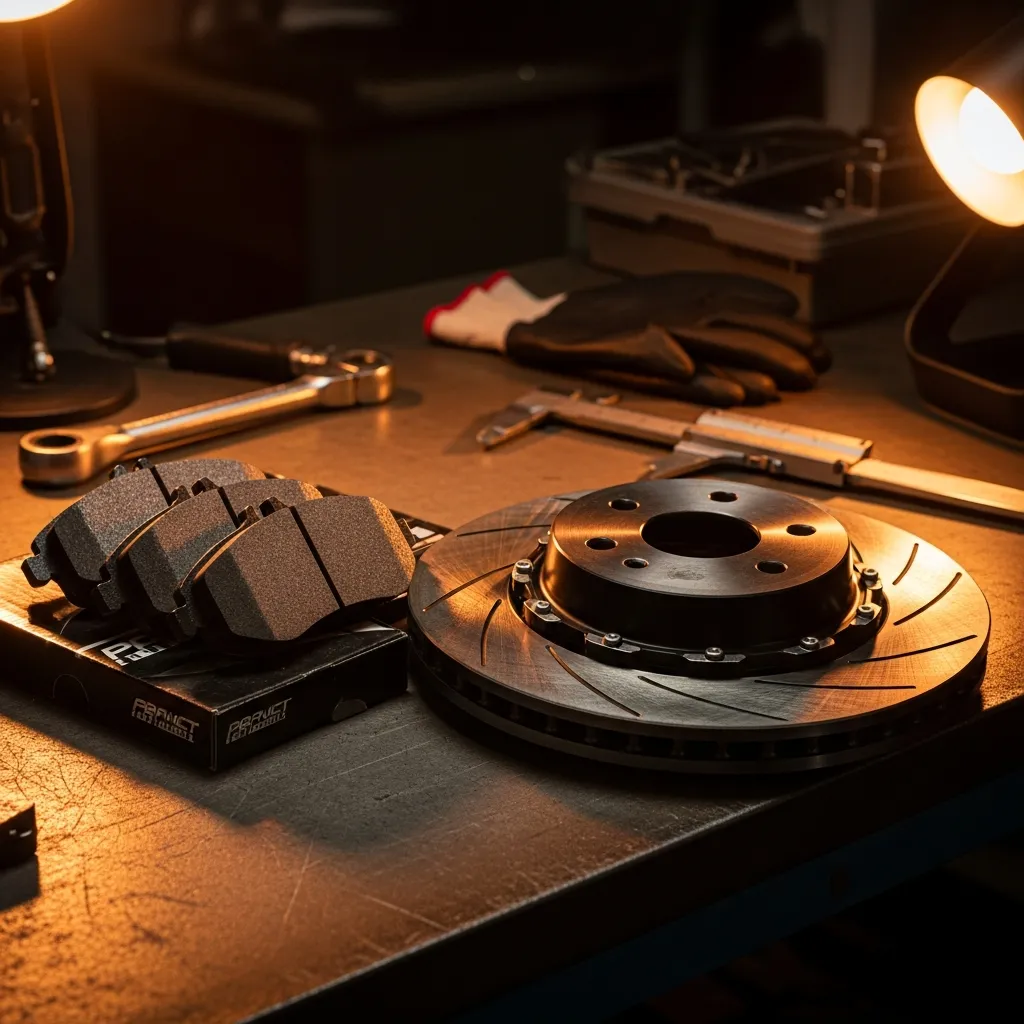
Best for stronger bite for spirited driving
- Carbon-fibre ceramic
- Strong cold bite
- Low dust for the grip
Why buy it: more stopping power without the noise or dust of race pads.
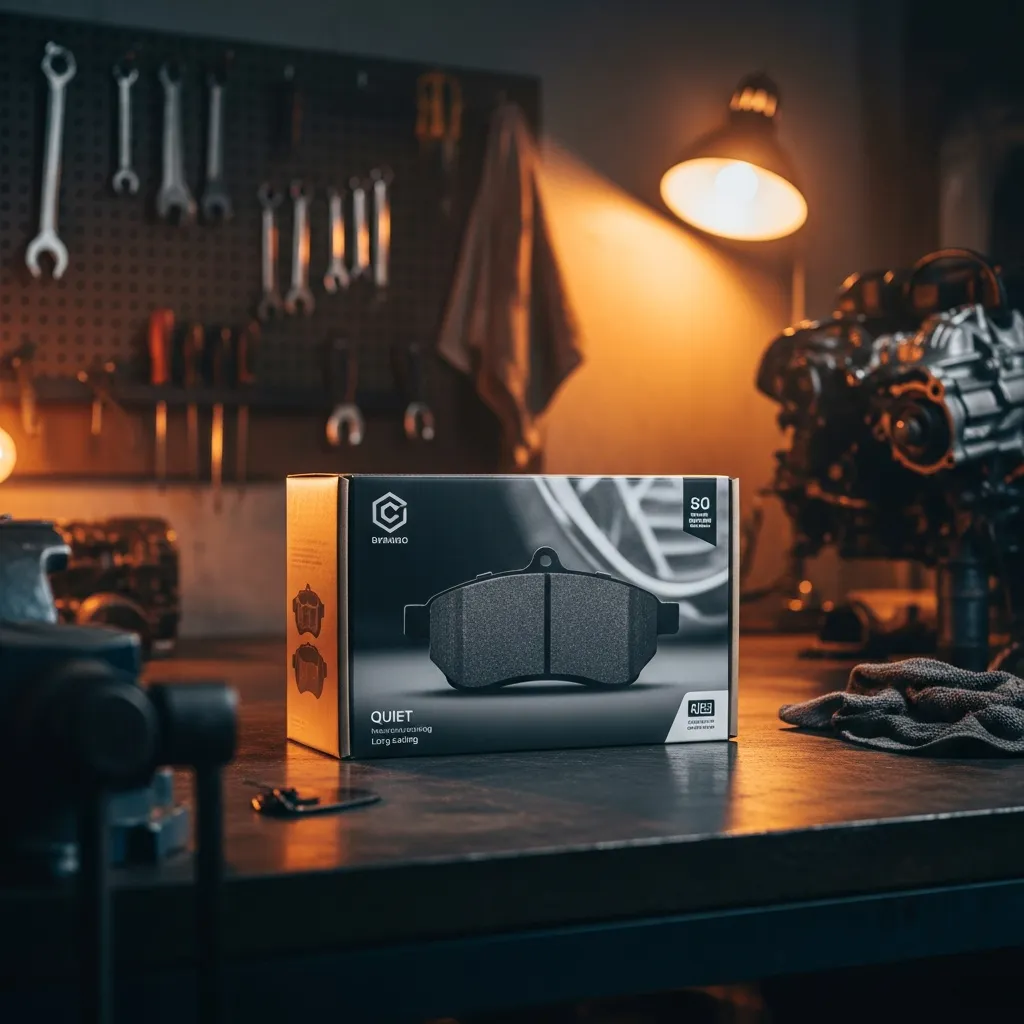
Best for OE-quality on a budget
- Quiet ceramic/semi-met
- Includes hardware & shims
- Great price
Why buy it: OE-grade quiet braking with the hardware included.
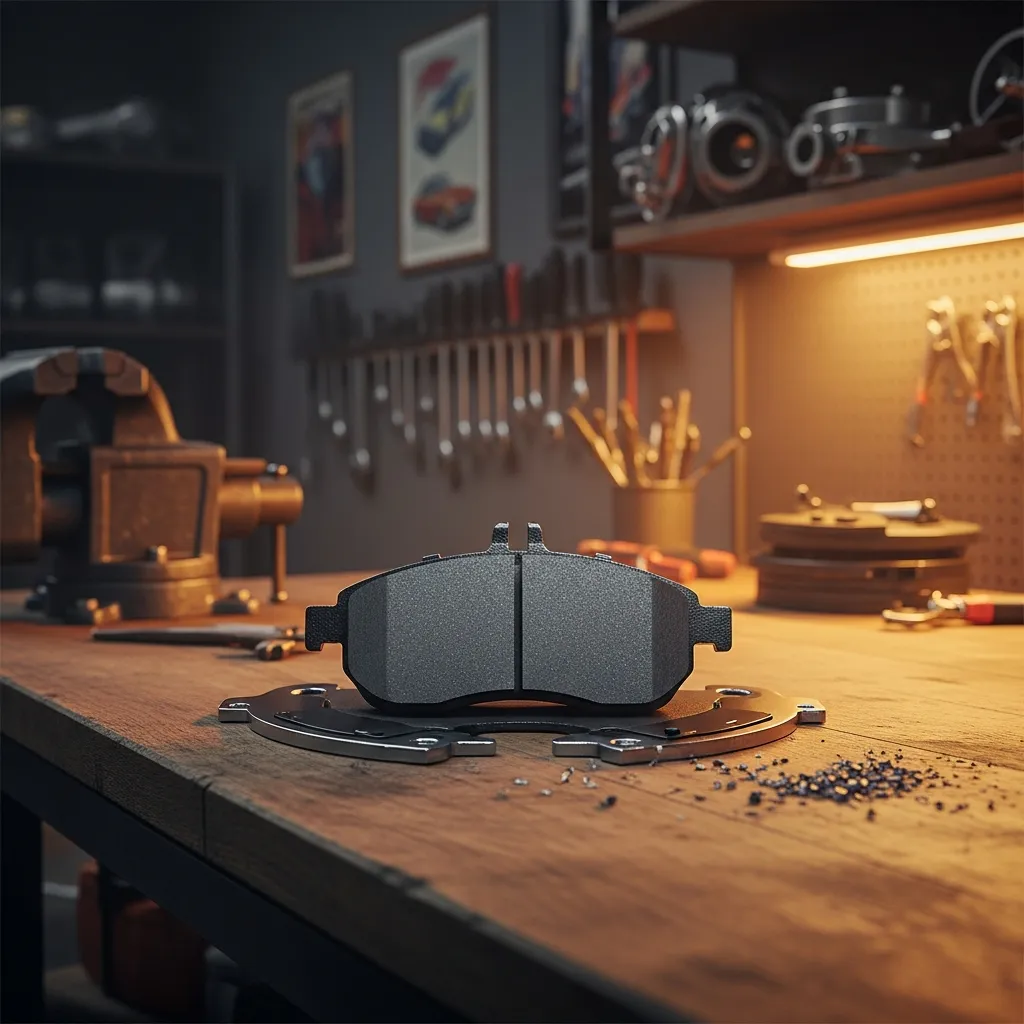
Best for reliable everyday value
- One-piece design
- Quiet operation
- Widely available
Why buy it: a dependable, quiet everyday pad at a low price.
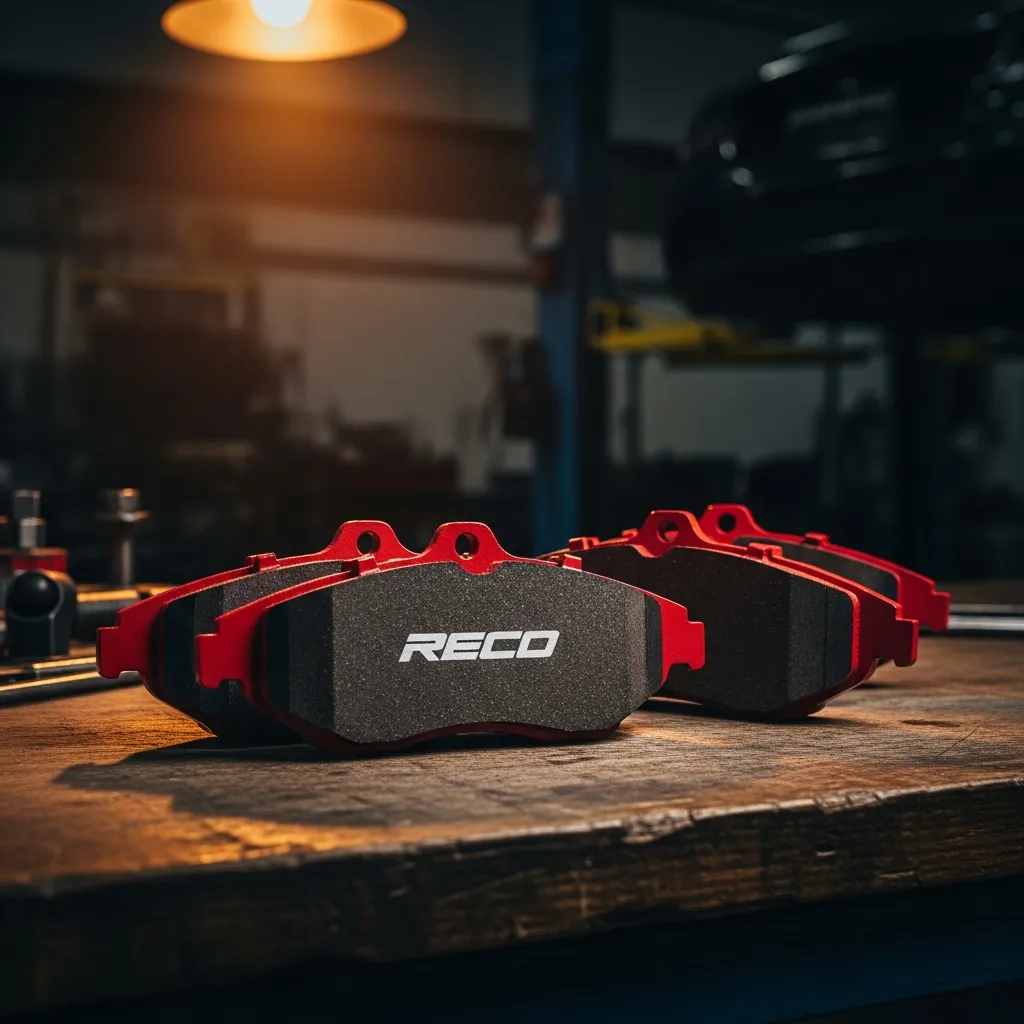
Best for fast street and light track
- High-friction ceramic
- Great fade resistance
- Fast street bite
Why buy it: strong, fade-resistant bite for fast road driving.
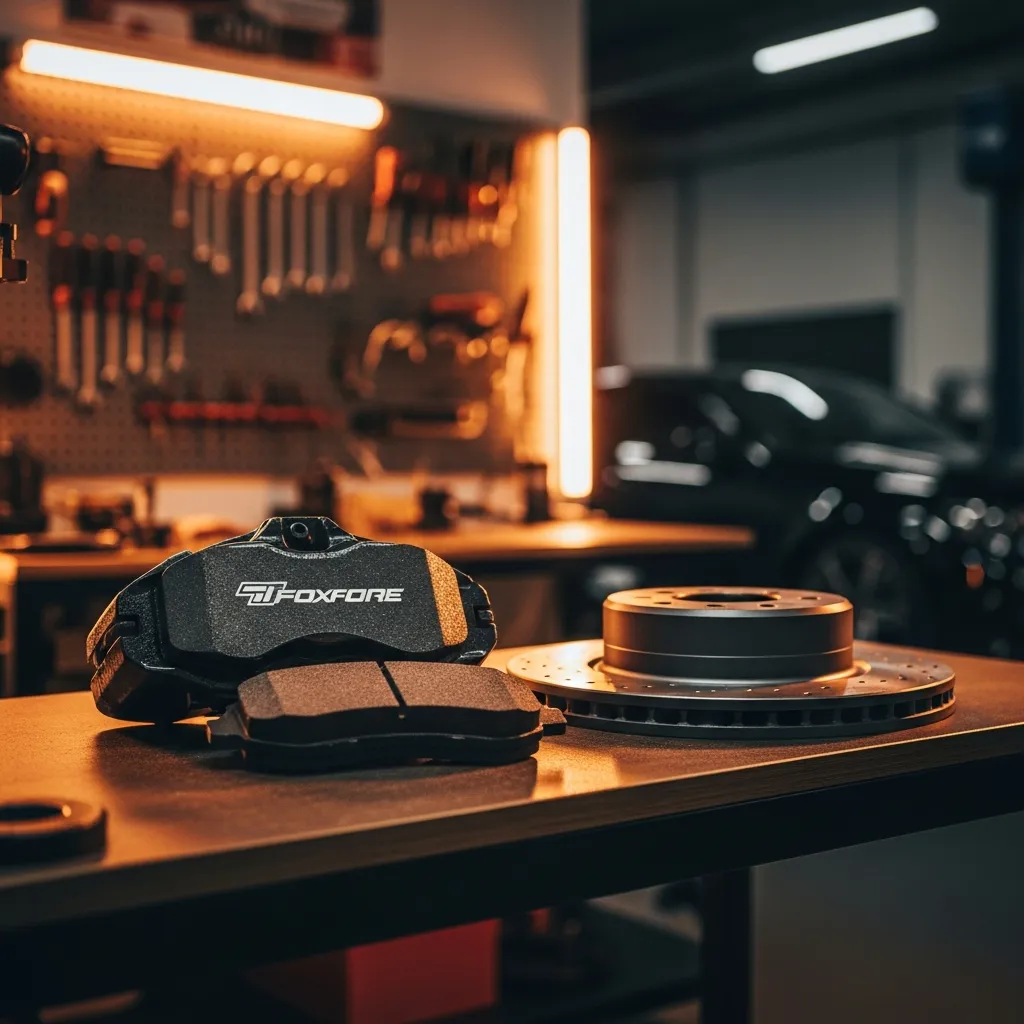
Best for performance cars driven hard
- High-performance street compound
- Strong, consistent bite
- Track-day capable
Why buy it: a track-capable street pad for enthusiasts who push it.
Quick Comparison
| Product | Best for | Rating | Price | Buy |
|---|---|---|---|---|
| Akebono ProACT Ceramic | Best Overall | 4.7 | ~$45 | Check |
| Power Stop Z23 Evolution | Best for Performance | 4.6 | ~$50 | Check |
| Bosch QuietCast | Best Value | 4.7 | ~$40 | Check |
| Wagner ThermoQuiet | Best Budget | 4.5 | ~$35 | Check |
| EBC Redstuff | Best Sport | 4.6 | ~$90 | Check |
| Hawk HPS | Best Street Performance | 4.6 | ~$110 | Check |
Why "Best Brake Pad" Is the Wrong Question
Brake pads involve hard trade-offs. A compound that bites hard from cold is exactly what you want on a mountain road and exactly what you do not want at 7 am in a school-zone queue. A pad that stays whisper-quiet and produces almost no dust will start to fade at track temperatures. Understanding that tension is the whole game.
The four variables that drive every pad decision:
- Operating temperature range — street pads work cold; track compounds need heat to activate
- Rotor wear — harder compounds bite harder but can score or wear rotors faster
- Dust and noise — ceramic compounds are cleaner and quieter; semi-metallic runs dirtier
- Bedding requirements — performance pads need a proper bedding-in procedure or you sacrifice stopping power and pad life from day one
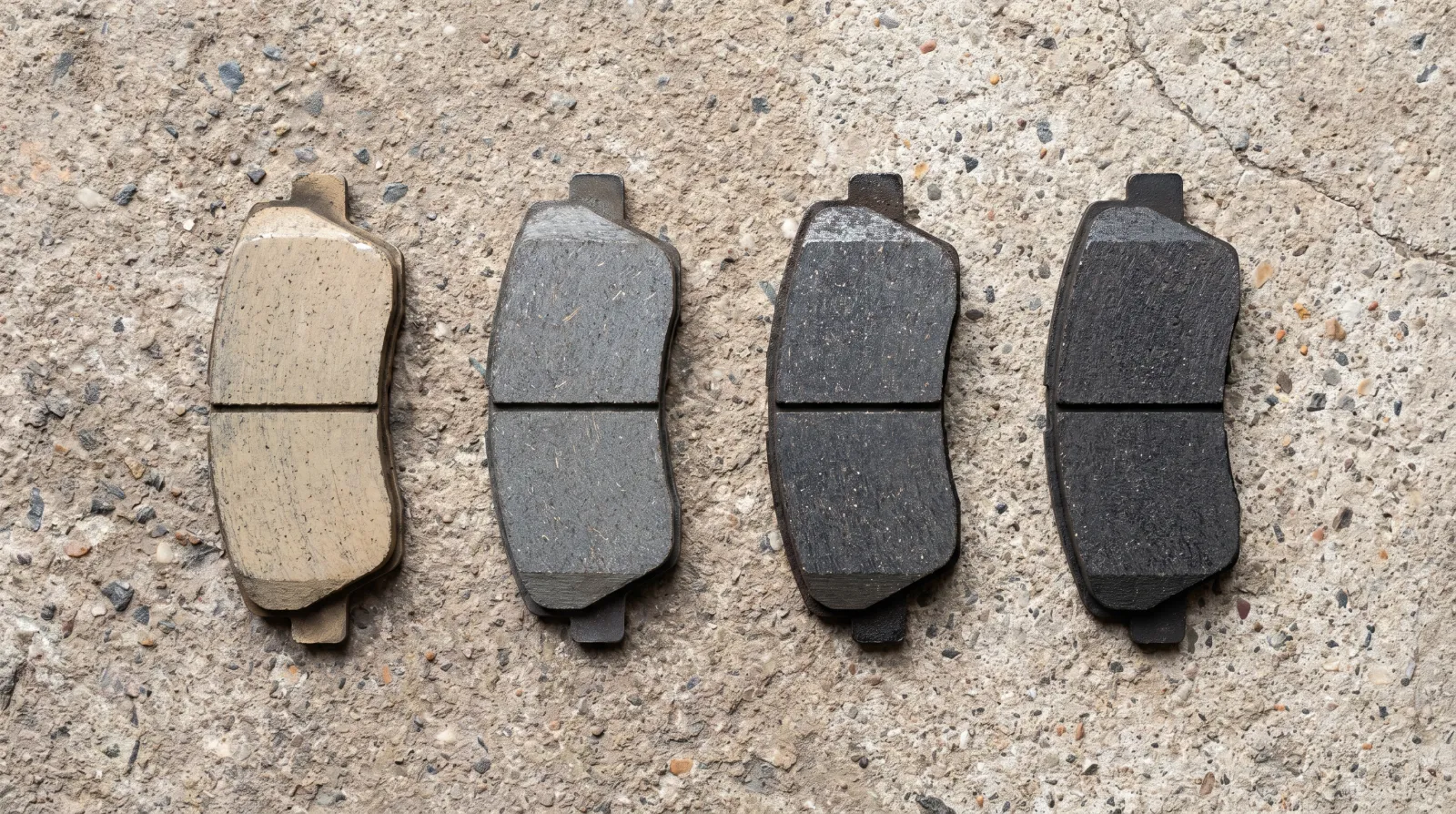
Material Trade-Offs at a Glance
The full breakdown lives in the materials spoke, but here is the quick version:
| Material | Cold Bite | Fade Resistance | Dust | Noise | Best For |
|---|---|---|---|---|---|
| Organic (NAO) | Good | Low | Low–Med | Very quiet | Light city cars, older vehicles |
| Ceramic | Very good | Moderate | Very low | Near-silent | Daily drivers, luxury, wheel-conscious owners |
| Semi-metallic | Good–Excellent | High | Medium–High | Can squeal | Spirited street, towing, hot climates |
| Full metallic / race compound | Poor when cold | Very high | High | Loud | Track only — dangerous for street use |
Match Your Pad to Your Driving Style
The Daily Commuter
You want a pad that works well at low temperatures, generates minimal dust so your wheels do not look like an ashtray by Wednesday, and does not wake the neighbours every morning. OE-equivalent or premium ceramic compounds hit this perfectly. Brands like Bosch QuietCast, Raybestos Element3, and the OEM-tier lines from Akebono (which supplies original equipment to many Japanese manufacturers) are well-suited here. You are not hunting lap times — you are hunting reliability, low noise, and long service life.
What "best for the money" actually means here: it means the pad that lasts a full service interval without drama, not the cheapest pad per box. Budget no-name pads often under-deliver on wear rate, meaning you replace them twice in the time a decent set lasts once. The arithmetic usually favours the mid-range option.
Low-Dust and Quiet (Including Luxury and EV Applications)
If you are driving something with polished alloys, a luxury sedan, or an EV where brake regeneration already does most of the work, ceramic is your compound. The ceramic fibre matrix keeps dust light-coloured and fine rather than the black iron-rich grime you get from metallic pads. Akebono Euro and ProACT lines, Hawk HPS Quiet Slot (for a slightly higher-performance option), and Brembo OE-type ceramics all perform well in this category. EVs with regenerative braking actually have a secondary issue: pads sit idle long enough to develop surface corrosion on rotors, which then causes an initial squeal. Look for compounds that stay active at low pedal application.
Spirited Street and Canyon Running
This is where the decision gets interesting. You want a pad that handles routine daily driving acceptably but still has the heat capacity for sustained hard braking on a mountain road or a fast B-road. The performance street category — semi-metallic or high-performance ceramic blends — is built for exactly this use case.
Hawk HPS (High Performance Street) is the most commonly cited name in this space, and for good reason: it runs in a temperature window of roughly 100–480 °C, which covers a spirited street session without requiring a full warm-up lap. EBC Yellowstuff is another well-regarded option in this tier, offering strong initial bite for a street compound and good rotor compatibility. Project Mu NS400 is a Japanese alternative that has become popular with owners who want OEM-quality engineering with a performance edge — it runs quieter than many Western performance pads and is a regular recommendation in JDM community circles for this exact reason.
Expect more dust than a ceramic daily-driver pad and check rotor compatibility before buying — some performance compounds will chew through rotors faster than standard replacements.
JDM and Track-Adjacent Use
This category needs the most honest framing, because it is where the most mistakes happen. Purpose-built track compounds — Endless MX72, Endless ME20, Project Mu Club Racer, Hawk DTC-60, EBC Bluestuff — are engineered to operate at temperatures that street driving rarely reaches. If you run them cold, initial bite is poor and in some cases dangerously so. They can also generate significant noise and accelerated rotor wear.
If you genuinely do track days and need one pad for both: that is a hard problem. A true dual-use solution that works cold enough for street and hot enough for track without compromise does not really exist. The closest options — Hawk HPS Plus, Project Mu SCR-PRO, Endless SSM — make reasonable compromises, but you should go in knowing they are exactly that: compromises.
Track pad caveats — do not skip these:
- Cold bite is significantly reduced until the pad reaches operating temperature (often above 200 °C)
- Rotor wear is substantially higher — budget for rotor replacement on a shorter cycle
- Noise levels are not suitable for street use without significant tolerance
- Bedding-in is non-negotiable — see the full bedding procedure
If you are building a dedicated track car, run the compound that matches your series and your rotor budget. If you are a street driver doing the occasional track day, run a performance street pad, bed it properly, and upgrade your driving with proper cool-down laps rather than fighting a compound that does not suit your primary use.
Brand-Type Guidance (Framed as Types, Not Rankings)
Rather than a scored list, here is how to read the market by tier and intended use. Always verify current part numbers and specs against the manufacturer’s current catalogue and your application — compounds and product lines are updated regularly.
- OE-equivalent / OEM supplier tier: Akebono, Brembo OE-type, Nisshinbo (OEM supplier to many Japanese manufacturers). Prioritises quiet, long life, rotor-friendliness. Correct choice for most daily drivers.
- Premium street tier: Hawk HPS/HPS+, EBC Greenstuff (lighter vehicles) / Yellowstuff (heavier), Bosch QuietCast Premium. More bite than OE without sacrificing drivability. Good for drivers who want confidence without track use.
- Performance street / dual-use tier: Project Mu NS400 / NS-C, Endless SSM, Hawk HP Plus. JDM-aligned engineering, better heat range, modest compromise on noise and dust. The natural landing point for spirited street drivers and canyon runners.
- Track and motorsport tier: Endless MX72, ME20, Project Mu Club Racer, Hawk DTC-60 / DTC-70, EBC Bluestuff / Orangestuff. Purpose-built for circuit use. Not for general street driving.
For side-by-side product details and verified specifications for individual pad sets, the comparison tool and individual pad reviews go deeper than this buying guide is meant to.
What "Best for the Money" Really Means
The phrase gets used loosely. In practice, value in brake pads comes down to three things: lifespan relative to price, consistency across the pad’s wear life, and how well the compound suits your actual use case. A pad that is cheap per box but wears out in 15,000 km on a daily driver is not good value. A pad that is slightly more expensive but lasts 40,000 km with consistent performance almost certainly is.
The other trap is overspending on performance you will never use. A track-oriented pad on a car that will never see a circuit is money spent on a worse daily experience. Match the compound tier to the use case first. Then evaluate value within that tier.
Fitment and Part Number: The Caution Most Guides Skip
This matters more than most DIY guides acknowledge. Brake pad fitment is not just about the physical dimensions of the pad — it also involves the hardware kit (shims, clips, and anti-rattle hardware), the caliper compatibility, and in some cases rotor compatibility with harder compounds. Get the part number from the manufacturer’s vehicle look-up tool or a trusted fitment database. Do not rely on cross-references alone, especially for modified vehicles, JDM imports, or grey-market cars where the local spec may differ from the exported spec.
- Verify part numbers against your car’s exact build date and spec — mid-year production changes happen
- Check whether the pad includes or requires a separate hardware kit
- For JDM imports, confirm whether your caliper is the domestic-market or export variant — these can differ
- If you are upgrading to a larger rotor or big brake kit, use the brake system builder’s pad recommendations, not the stock part number
Recommendation Matrix by Driver Type
| Driver Type | Material | Compound Tier | Priority Trade-Off |
|---|---|---|---|
| Urban daily commuter | Ceramic | OE-equivalent or premium street ceramic | Quiet, low dust, long life over bite |
| Low-dust / luxury / EV | Ceramic | OEM supplier tier (e.g. Akebono) | Cleanliness and silence above all |
| Spirited street / canyon | Semi-metallic or high-perf ceramic blend | Premium street (Hawk HPS, EBC Yellowstuff) | Bite and fade resistance; accept more dust |
| JDM / street-performance | Semi-metallic or performance blend | Performance street / dual-use (Project Mu NS400, Endless SSM) | Heat range and initial bite; some noise acceptable |
| Dedicated track / circuit | Full metallic / race compound | Motorsport tier (Endless MX72, Hawk DTC series) | Maximum fade resistance; accept cold-bite penalty and rotor wear |
Before You Buy: The Short Checklist
- Confirm fitment via manufacturer look-up, not just a cross-reference
- Check whether your rotors can handle the hardness of the compound you are considering
- Budget for new hardware (shims, clips) — reusing worn hardware with new pads is a common mistake
- Know whether you need to follow a bedding-in procedure and actually plan to do it before your first hard stop
- If the car is a JDM import, double-check domestic vs export caliper spec
Get the right pad for how you actually drive, install it correctly, bed it in properly, and it will give you what you are after. The Brake Pad Refresh hub has the rest of the process covered step by step.
Affiliate Disclosure
Some links on this page are affiliate links. If you buy through them we may earn a small commission at no extra cost to you. It never changes our verdicts — we only recommend gear we would run on our own cars. Read the full disclosure.