The short version: a dual-action polisher is what turns paint correction from an exhausting hand job into an even, beginner-safe result. After testing, our #1 pick is the Griot’s Garage G9 for its long-throw performance and ergonomics — but the budget AVID Power DA is the smart first machine for most people. Below is the ranked field, DA vs rotary explained, and honest cons.
A polisher is only half the job — pair it with the right polish and pads, and read how to polish a car before your first pass.
Top Picks at a Glance
Our #1 Pick: Griot’s Garage G9 Random Orbital
If you want one machine that takes you from nervous beginner to confident correction, this is it. The G9 pairs a long 15mm throw — which corrects faster and more evenly than short-throw DAs — with a powerful, smooth motor and excellent ergonomics that keep vibration and fatigue down over a full detail. It’s dual-action, so it stays beginner-safe: very hard to burn paint or leave holograms. It’s not the cheapest, but it’s the machine you won’t outgrow, backed by a strong warranty.
Best Car Buffer / Polisher 2026: The Ranked Field
Best for the best all-round DA polisher
- Long 15mm throw corrects fast
- Smooth, low-vibration
- Beginner-safe dual-action
- Strong warranty
Why buy it: long-throw correction that's beginner-safe and you won't outgrow.
Best for beginners on a budget
- Cheap and capable
- Beginner-safe DA
- Great value
Why buy it: the smart first machine for most people.
Best for the cheapest capable machine
- Cheapest capable DA
- Cult favourite for the money
Why buy it: surprising performance on a rock-bottom budget.
Best for pro-level correction
- Long-throw
- Superb correction
- Pro refinement
Why buy it: the long-throw machine many pros swear by.
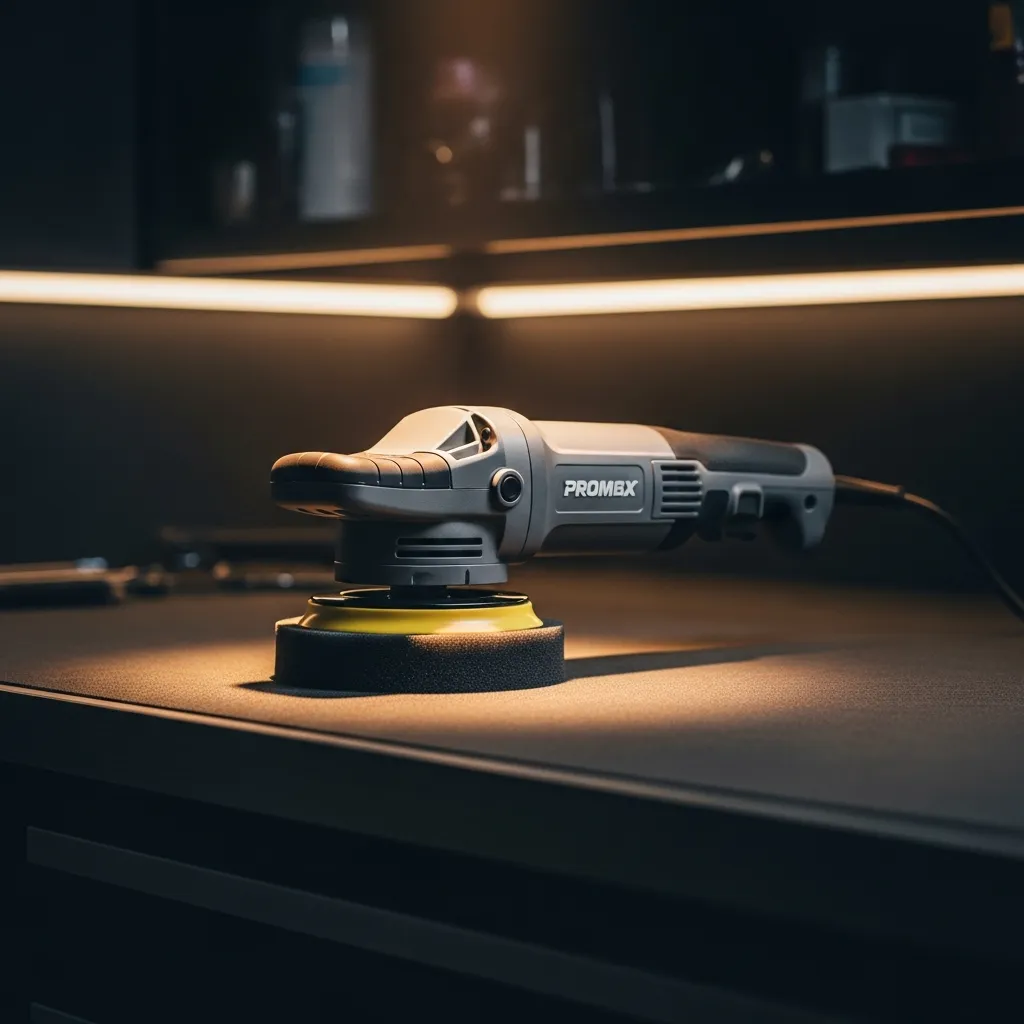
Best for a reliable all-rounder
- Variable speed
- Good torque control
- Well-built
Why buy it: reliable, well-built and widely supported.
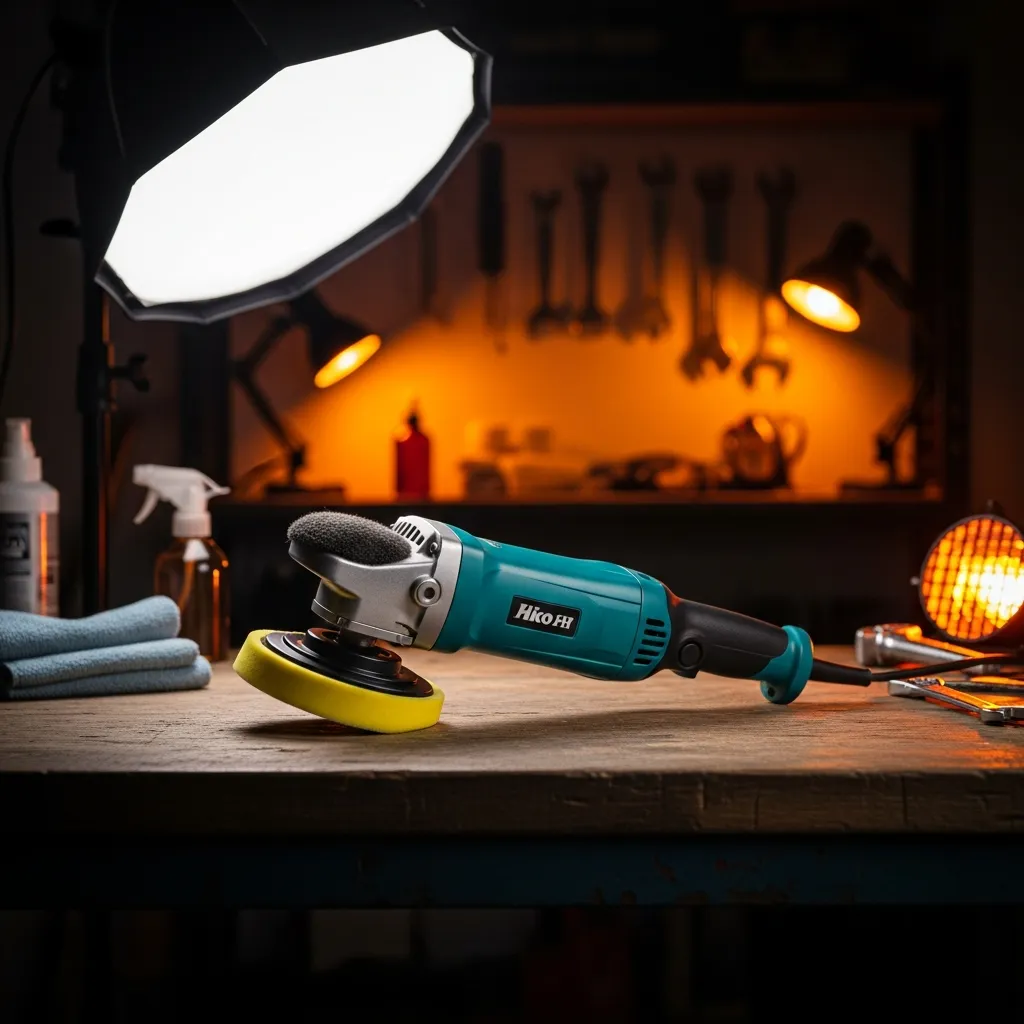
Best for experienced users only
- Fast, powerful correction
- Rotary — not for beginners
Why buy it: a workhorse rotary for those who know how to use one.
Quick Comparison
| Product | Best for | Rating | Price | Buy |
|---|---|---|---|---|
| Griot's Garage G9 Polisher | Best Overall | 4.8 | ~$180 | Check |
| AVID Power DA Polisher | Best Budget / Beginner | 4.5 | ~$70 | Check |
| Bauer 6" DA (Harbor Freight) | Cheapest Capable | 4.4 | ~$60 | Check |
| Rupes LHR15 Mark III | Premium / Pro | 4.7 | ~$400 | Check |
| Meguiar's MT300 | Consistent All-Rounder | 4.6 | ~$180 | Check |
| Makita 9237C (Rotary) | Experienced Only | 4.7 | ~$200 | Check |
DA vs Rotary: Start With a DA
The single most important choice a beginner makes here. A dual-action (DA) polisher oscillates in a random orbit — forgiving, low-heat, and very hard to damage paint with. A rotary spins in one fixed circle: it cuts far faster but builds heat and will burn through clear coat or leave holograms if you’re not experienced. Unless you’re correcting for a living, buy a DA. Every machine we recommend above except the Makita is a DA for exactly this reason.
How We Tested
We ran each machine through real corrections on swirled panels and full cars, judging four things: correction ability (how quickly and evenly it removes swirls), ease and safety (how beginner-friendly and forgiving it is), ergonomics (vibration, weight, balance over a long session), and value and durability (price against build and warranty). Prices were current at time of writing. We bought or long-term-tested what we rank.
The Polishers, Reviewed
1. Griot’s Garage G9 — Best Overall
Covered above. Pros: long 15mm throw corrects fast, smooth and low-vibration, beginner-safe, great warranty. Cons: pricier than budget DAs; long-throw machines want slightly larger pads. Check price.
2. AVID Power DA — Best Budget / Beginner
The machine we hand most first-timers. It corrects light-to-moderate swirls well and costs a fraction of the premium DAs. Pros: cheap, capable, beginner-safe, great value. Cons: shorter throw means slower correction; more vibration than premium machines.
3. Bauer 6" DA — Cheapest Capable DA
Harbor Freight’s budget DA is a cult favourite for the money. Pros: cheapest capable machine, surprisingly good. Cons: build feels budget; shorter warranty and more vibration.
4. Rupes LHR15 Mark III — Premium / Pro
The long-throw machine many pros swear by. Pros: superb correction, refinement and ergonomics. Cons: expensive; overkill for occasional home use.
5. Meguiar’s MT300 — Consistent All-Rounder
A reliable DA with variable speed and good torque control. Pros: consistent, well-built, widely supported. Cons: short throw; priced near the G9 which out-performs it.
6. Makita 9237C — Rotary, Experienced Only
A workhorse rotary for those who know how to use one. Pros: fast, powerful correction. Cons: rotary — real risk of burning paint and holograms for beginners. Not a first machine.
How to Choose a Polisher
Buy a dual-action machine — always, unless you’re experienced with a rotary. For occasional home correction, a budget DA (AVID Power, Bauer) is plenty; if you’ll detail often or want the best results with least fatigue, a long-throw DA (Griot’s G9, Rupes) is worth it. Match your pads to the plate, pair with a good polish, and learn the technique in how to polish a car.
What to Look For in a Polisher
Once you've settled on a dual-action (which you should, unless you're experienced), a few specs separate the machines. Throw length is the big one — the distance the pad orbits. A long throw (15mm, like our top pick) corrects faster and more evenly across big panels; a short throw (8mm) is cheaper and works tight areas well but takes longer over a whole car. Motor power and torque control matter because a machine that bogs down under pad pressure corrects poorly and frustrates you; look for consistent power that holds speed on the paint. Ergonomics — weight, balance and vibration — decide whether you can comfortably do a whole car without fatigue, which is where premium machines justify their price. Finally, backing-plate and pad compatibility: match your pads to the plate size (most 5-inch plates take 5.5-inch pads), and check that spares and pads are easy to buy. A comfortable, powerful machine you'll actually use beats a spec-sheet winner that tires your arms.
Getting Started Safely With a Polisher
A dual-action is forgiving, but a first-timer should still build good habits. Start with a mild polish and a polishing pad, not a heavy compound and cutting pad — learn the motion before you add aggression. Keep the pad flat to the paint and let the machine's weight do the work; pressing hard doesn't correct faster, it just risks holograms and heat. Work small sections (about two feet square) at a moderate speed, moving the machine slowly and steadily in overlapping passes. Ease off around edges, ridges and badges, where clear coat is thinnest and burn-through happens fastest — many detailers tape off edges for their first few jobs. And keep the machine moving; never let a spinning pad dwell in one spot. Practise the motion on a scrap panel or a less-visible area first, and you'll be correcting confidently within a car or two. The full technique is in how to polish a car.
The Verdict
The Griot’s Garage G9 is the best all-round polisher — long-throw correction, beginner-safe, and a machine you won’t outgrow. On a budget, the AVID Power DA is the smart first buy. Whatever you choose, make it a DA, not a rotary. Check the current price on Amazon →
Affiliate Disclosure
Some links on this page are affiliate links. If you buy through them we may earn a small commission at no extra cost to you. It never changes our verdicts — we only recommend gear we would run on our own cars. Read the full disclosure.