
Affiliate Disclosure
Some links on this page are affiliate links. As an Amazon Associate, we earn from qualifying purchases — at no extra cost to you. We do not buy, test, or physically handle the products we cover; our rankings come from aggregated owner reviews, ratings and expert consensus. Commissions never change our verdicts. How we rank & full disclosure.
Short version: Iron remover is a chemical decontaminant that dissolves the microscopic iron particles baked into your paint from brake dust and rail fallout. It bleeds bright purple as it works, it's the first move in a proper decon, and if you've never used it on a car more than a couple of years old, you'll be genuinely shocked at what comes off. It doesn't replace a clay bar, but it makes claying faster, safer, and less likely to marr your paint.
What iron remover actually does
Every time a car in front of you brakes, its rotors and pads shed a fine mist of hot iron particles. Those particles land on your paint, and because they're still warm, they can lightly embed into the clear coat. Over months and years, they accumulate. You can't always see them, but you can feel them: run a clean hand over paint that looks clean and it feels gritty, like fine sandpaper. That grit is fallout.
Iron remover uses a chemistry that bonds to iron specifically and converts it into a water-soluble compound you can rinse away. The purple bleed you see is the visual proof of the reaction happening. It's oddly satisfying, like watching your paint confess to years of neglect. This is chemical decontamination, and it reaches particles that a clay bar would have to physically drag off, which is where the risk of marring comes from.
If you're new to the whole concept and wondering why this step even exists, our explainer on what paint decontamination is lays out the full picture of bonded contaminants and why washing alone never gets them off.
When you actually need it
Not every car needs iron remover on every wash. Here's my honest read after using it across a lot of cars:
- Any car over a year old that's never been decontaminated. This is the big one. The fallout is there whether you can see it or not.
- Before a ceramic coating or sealant. Iron trapped under a coating is iron trapped forever, and it will keep corroding under there. More on that in our decon before ceramic guide.
- White and silver cars showing orange or brown speckles. Those speckles are often rust blooms from embedded iron, most visible on light paint.
- Wheels, always. Wheels catch the most brake dust of anything on the car, so they respond dramatically.
When you probably don't need it: a well-maintained car that gets decontaminated once or twice a year and lives a gentle life. On those, a regular clay bar session may pull off the little that's there.
How to use iron remover, step by step
The process is simple, but the details matter. Here's how I run it:
- Wash the car first. Get loose dirt off so the remover contacts the actual paint, not a layer of grime. A foam and rinse is ideal.
- Work in the shade, on cool panels. Direct sun and hot metal make the product flash-dry, which streaks and wastes it. Early morning or a shaded garage is perfect.
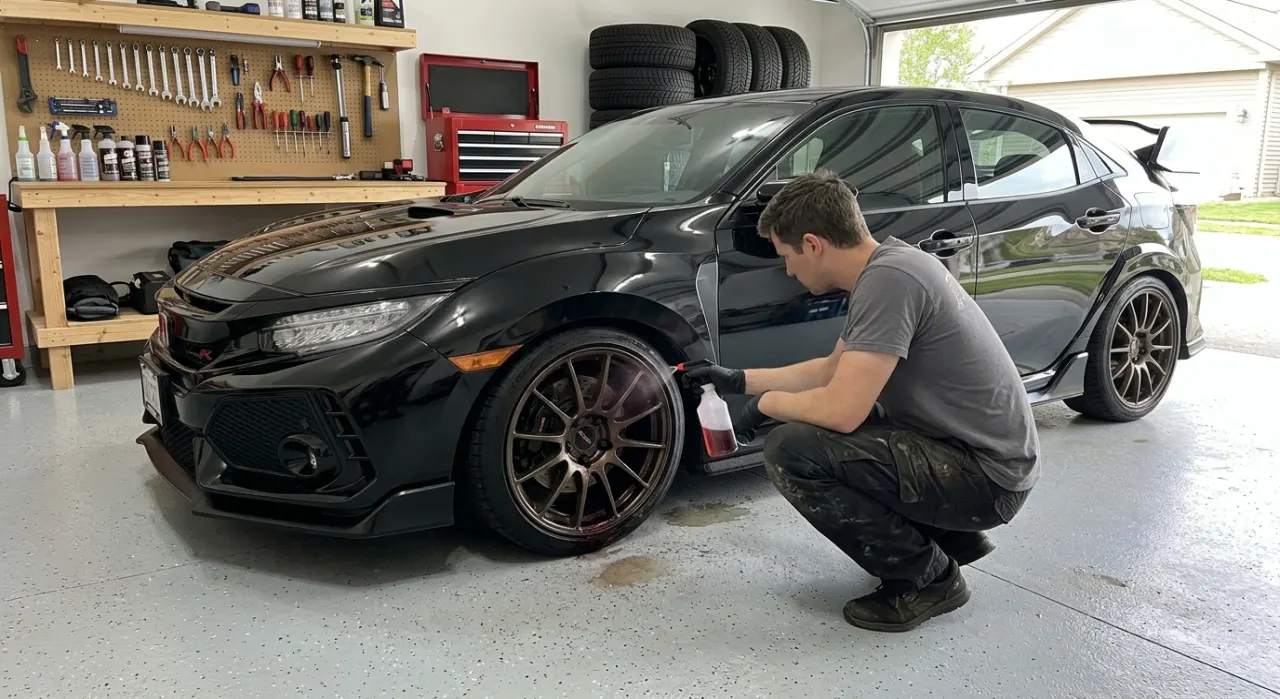
- Spray one panel or one wheel at a time. Even coverage, not soaking wet. You want the paint uniformly damp.
- Let it dwell. Give it three to five minutes. You'll watch it bleed purple where iron is present. Don't let it dry out. If it starts to, mist it again.
- Agitate lightly on heavy areas. Wheels and lower panels catch the most fallout. A soft brush or wash mitt helps.
- Rinse thoroughly. Pressure rinse until the purple is completely gone. Any residue left to dry can stain lighter paint.
One tip from experience: do your wheels and lower rockers first as a test area. They'll bleed the hardest and give you a feel for dwell time before you move to the more visible upper panels.
Spray-on vs concentrate
You'll see two formats on the shelf. Ready-to-use sprays are the easy pick for a single car: no mixing, consistent strength, and you spray straight from the bottle. Concentrates are cheaper per use and better if you do multiple cars, but you have to dilute them correctly, and getting the ratio wrong either wastes product or leaves it too weak to work. For most people doing their own car a couple of times a year, the ready-to-use spray is worth the small premium for the convenience.
General pricing runs from budget ready-to-use bottles up through the pro-grade named brands. You don't need the most expensive one on the shelf; the mid-tier products from established detailing brands all work well. The bigger variable is dwell time and technique, not the label.
Want to skip the shopping paralysis? We analyzed the ratings and reviews for the popular kits and decon products and rounded up our top picks here, so you can see what actually earned a spot.
Iron remover vs clay bar: use both
People treat these as competitors. They're not. Think of it like a two-stage cleanup: chemistry first, mechanics second.
Iron remover dissolves iron particles so a clay bar doesn't have to drag them across your paint. Every particle you dissolve chemically is a particle that can't get caught under your clay and scratched down the panel. So running iron remover before you clay literally makes claying safer. After the iron remover, the clay bar picks up the non-iron stuff: overspray, tar specks, tree sap, industrial fallout that isn't ferrous.
The full sequence I follow on a proper decon is: wash, iron remover, clay bar with lubricant, then a final wash to reset. After that the paint is genuinely clean and ready for whatever protection you're applying.
Common mistakes to avoid
- Letting it dry in the sun. The single most common error. It streaks and can stain. Shade, always.
- Not rinsing enough. Residue is the enemy on white and silver especially. Rinse until you see zero purple.
- Using it on hot brakes or wheels. Let everything cool. Hot surfaces flash the product instantly.
- Skipping the wash first. Spraying decon over caked dirt just wastes product on the dirt instead of the paint.
- Expecting it to fix everything. It handles iron. Tar and glue need a dedicated bug and tar remover, and mineral spots need a water spot remover.
The bottom line
Iron remover is one of those products that turns an invisible problem into a visible, satisfying fix. It's one piece of the wider paint decontamination process. If your car has never been decontaminated, do this once and run your hand over the paint afterward. It'll feel like glass, and the purple in the runoff tells you exactly how much was hiding there. Pair it with a clay bar and you've got the whole decontamination job covered, ready for wax, sealant, or a coating. It's cheap, it's safe when used right, and it's the step that makes everything after it work better.
Recommended Products
Here's the decon lineup we'd reach for — iron remover first, clay second. We rank on aggregated owner reviews rather than our own testing, and prices are indicative — check the live listing.

Best for the classic dedicated paint iron remover
- Bleeds purple as it dissolves embedded iron
- pH-balanced and safe on clear coat when used as directed
- The reference product enthusiasts benchmark against
Why buy it: the one to reach for first — spray, watch it bleed, rinse, and your clay bar has far less to drag off.
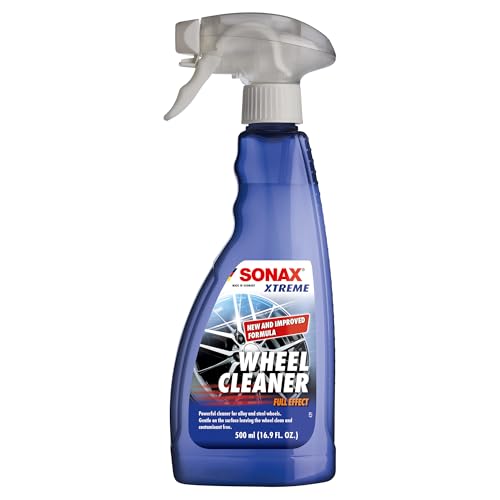
Best for iron fallout baked into wheels and lower panels
- Non-acid formula safe on most wheel finishes
- Colour-changing iron reaction like a paint decon
- Cuts heavy brake-dust contamination
Why buy it: wheels catch the most iron of anything on the car — this is the topical pick for the dirtiest area.

Best for the easy, safe first clay bar after the iron step
- Beginner-friendly clay plus detailer
- Pulls the non-ferrous grit chemistry leaves behind
- Hard to go wrong with for a first clay
Why buy it: iron remover handles the iron; this clay shears off the tar, overspray and rail dust that is left.
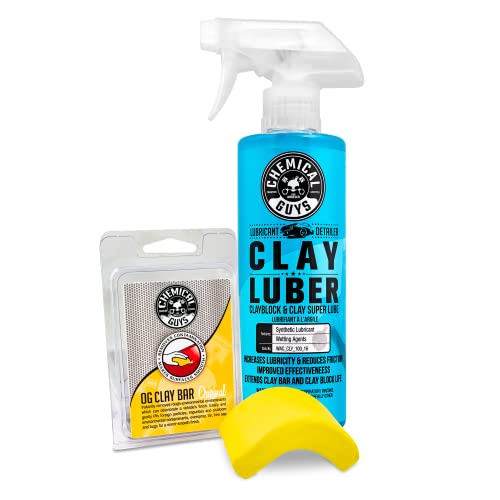
Best for a big bar with plenty of lubricant
- Generous clay and lube quantities
- Enough to do several cars
- Good value for repeat decon sessions
Why buy it: the value pick for the mechanical stage — lots of clay and lube so you never run dry mid-panel.
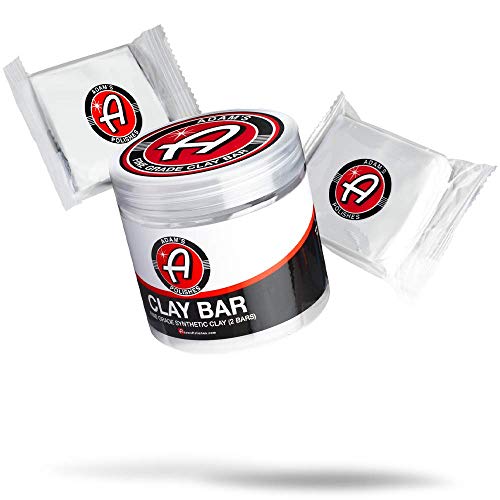
Best for enthusiasts chasing a flawless, marring-free finish
- Fine-grade clay for minimal marring
- Smooth glide with proper lubrication
- Popular with detail-focused owners
Why buy it: the finish-first clay — pairs perfectly with an iron remover for the cleanest possible surface.
Prices are pulled from Amazon and were accurate as of Aug 22, 2026, 6:54 PM EDT. Product prices and availability are subject to change — the live price is shown on Amazon.