Redline Garage is reader-supported. We earn affiliate commissions from qualifying purchases — how this works.

Exterior Protection

Home/Resources/Exterior Protection
Detailing · Protection · Intermediate
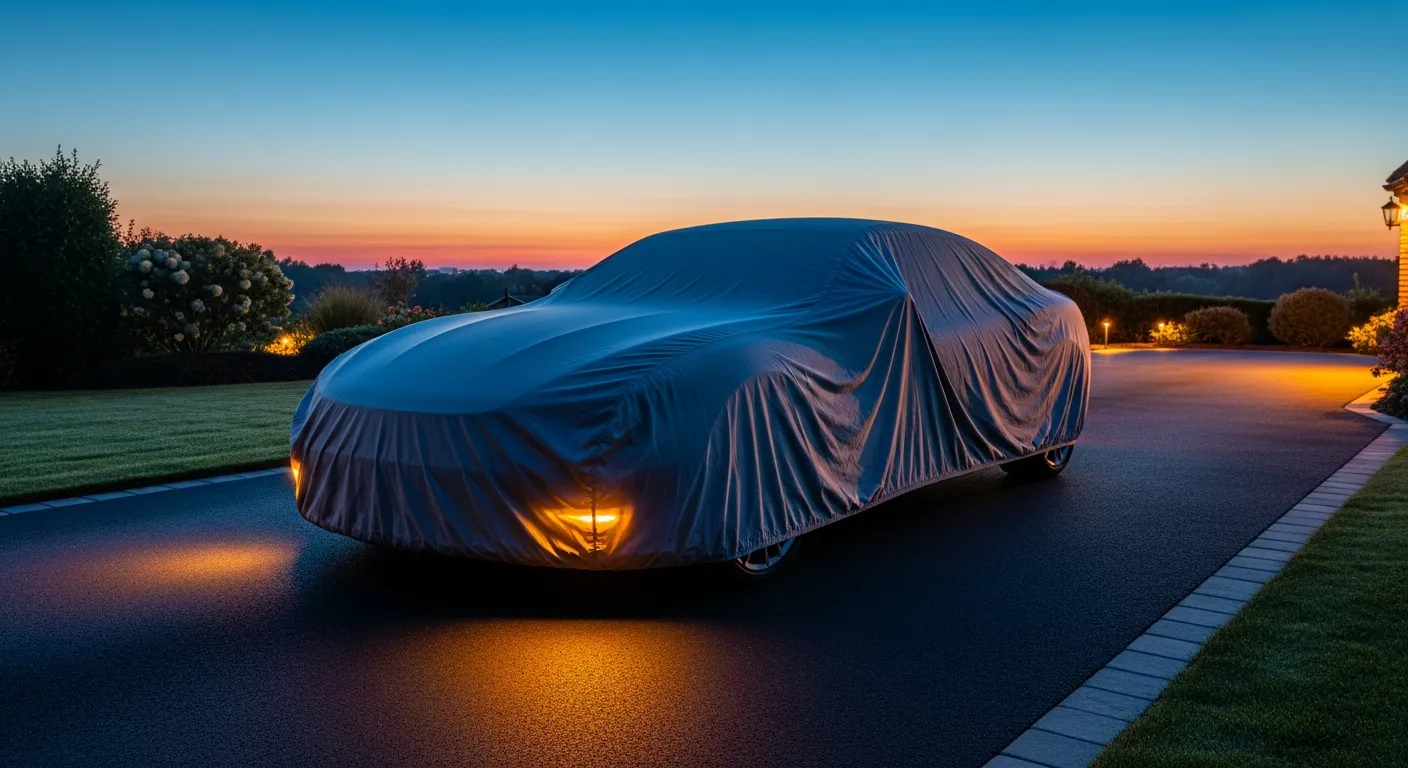
A car parked under a fitted car cover in a driveway at dusk

What exterior protection actually means

Exterior protection is everything you do to keep your paint, glass and trim looking the way they did on day one. That covers a lot of ground: a physical barrier like a car cover, a chemical layer like a paint sealant or wax, a semi-permanent ceramic coating, film products like PPF and window tint, and the habits that keep contaminants off the finish in the first place. Get the stack right and your car ages slowly. Get it wrong and you're paying for a respray in five years.

We test this gear on our own daily drivers and project cars, parked outside in real weather — not in a lab. The picks below are the ones that survived that.

The protection stack, cheapest first

You don't need everything at once. Think of protection as layers you add as budget allows. The cheapest, highest-impact move is a proper wash routine plus a quality wax or spray sealant — that alone stops most water spotting and light contamination. Next up is a durable synthetic sealant, which shrugs off UV and road film for months instead of weeks.

Above that you get into semi-permanent territory: a DIY ceramic coating for gloss and self-cleaning, and paint protection film for genuine impact resistance on the front end. And running alongside all of it is the humble car cover, which is the only thing on this list that protects against dents, sap and droppings before they ever reach the paint. We compare the chemical options head to head in sealant vs wax vs ceramic.

Covers and physical protection

A car cover is the most underrated bit of protection gear there is. It's cheap, it needs no application skill, and it stops the stuff that coatings can't — falling branches, hail, bird droppings that etch in the sun, and tree sap. The catch is fit and fabric. A cover that's too loose flaps in the wind and sands your clear coat; one that's not breathable traps moisture and grows mildew. Our best car cover test ranks six options and explains the indoor-versus-outdoor and waterproof-versus-breathable trade-offs.

Film products: PPF and tint

Film is where protection gets serious. Paint protection film is a clear urethane layer that absorbs rock chips and light scratches, and the good stuff self-heals in the sun. It's the only thing here that meaningfully stops stone damage. Window tint is the other film product — it rejects heat, blocks UV that fades your interior, and adds privacy. If you're doing it yourself, read our DIY window tint walkthrough first, and check the legal limits in our window tint guide.

Choosing your approach

If you've just picked up a new car, start with our protecting a new car plan — the first 90 days set the tone. If you're deciding between the two big-ticket options, our PPF vs ceramic coating breakdown will save you a costly mistake. And if you just want the cheapest solid protection today, grab a sealant and a cover and you're most of the way there.

Our top picks in exterior protection

For most people, the highest-value starting point is a well-fitted outdoor car cover paired with a durable synthetic sealant — under a hundred dollars combined and it addresses the two biggest threats to your paint. Our current best overall cover is the Kayme 6-Layer for its balance of weather protection and soft inner lining. Dig into the full ranked test in our best car cover guide, and pair it with a pick from our best paint sealant roundup.

Affiliate Disclosure

Some links on this page are affiliate links. If you buy through them we may earn a small commission at no extra cost to you. It never changes our verdicts — we only recommend gear we would run on our own cars. Read the full disclosure.

// The Full Picture

Protection Hub Topical Map

Every sub-topic that connects back to the seed — a core of how-to and decision pages, surrounded by an outer ring that deepens the knowledge.

Central EntityProtection Hub
Core Section — do it & buy it
Best Car Cover of 2026 Six covers tested through rain, sun and dust — the ones that actually stay put and don't scratch, plus who each one is really for. Top Picks
Best Paint Sealant of 2026 Synthetic sealants ranked for durability, gloss and ease of use. What lasts six months versus what beads for a week. Live Sun, 30 Aug
Car Window Tint: The Complete Guide VLT percentages, film types, legal limits and heat rejection explained without the jargon. Know before you tint. Live Sun, 30 Aug
Paint Protection Film (PPF) Explained How clear bra works, where it pays off, self-healing films and whether it's worth the money on your car. Live Mon, 31 Aug
Sealant vs Wax vs Ceramic The three main paint protection options compared on cost, durability, gloss and effort. Pick the right one for your garage. Live Mon, 31 Aug
PPF vs Ceramic Coating The big-money decision. Physical film versus liquid coating — what each protects against and when to combine them. Live Tue, 1 Sept
Outer Section — know & trust
How to DIY Window Tint Step-by-step for tinting your own windows without bubbles, plus when to just pay a pro. Live Tue, 1 Sept
Protecting a New Car The first-90-days protection plan for a brand-new car, from decon wash to coating. Live Wed, 2 Sept
Car Wax Guides Everything on waxing — carnauba, spray wax and application — over in our wax hub. Ceramic Coating Guides DIY ceramic kits, prep and durability tested in our dedicated ceramic hub.
Best Paint Sealant Our full ranked sealant test if you want a long-lasting synthetic layer. Live Sun, 30 Aug
// Straight Answers

Frequently Asked

What's the difference between a sealant, wax and ceramic coating?

Wax is a natural or blended product that gives deep gloss but only lasts a few weeks. A synthetic sealant bonds to the paint and lasts three to six months with better durability. A ceramic coating is a semi-permanent glass-like layer that can last one to five years. We break the whole thing down in our sealant vs wax vs ceramic guide.

Do I really need a car cover if I have paint protection?

They solve different problems. Coatings and sealants protect the paint surface from UV, contaminants and light marring. A cover blocks dust, tree sap, bird droppings and physical impacts before they ever touch the finish. If your car lives outside, a good cover plus a sealant is the strongest cheap combination.

Is PPF or ceramic coating better for a new car?

PPF (paint protection film) is a physical layer that absorbs rock chips and scratches, so it's best on high-impact areas like the front bumper and hood. Ceramic coating gives gloss, hydrophobics and easier cleaning across the whole car but won't stop a stone chip. Many owners run both — PPF on the front, ceramic everywhere. See our PPF vs ceramic guide.

How long does window tint take to cure?

Freshly installed tint usually looks a little hazy or cloudy for three to seven days while the mounting solution evaporates. Don't roll the windows down during that window. Full cure can take up to a month in cold weather. Our window tint guide covers curing and aftercare in detail.

Can I apply paint protection film myself?

Pre-cut PPF kits exist for DIYers, and small pieces like door edges and rocker panels are very doable. Full panels and bumpers are hard — the film needs stretching and heat, and mistakes are expensive. For beginners we suggest starting with sealant, then a cover, and leaving full PPF to a pro.