
Affiliate Disclosure
Some links on this page are affiliate links. As an Amazon Associate, we earn from qualifying purchases — at no extra cost to you. We do not buy, test, or physically handle the products we cover; our rankings come from aggregated owner reviews, ratings and expert consensus. Commissions never change our verdicts. How we rank & full disclosure.
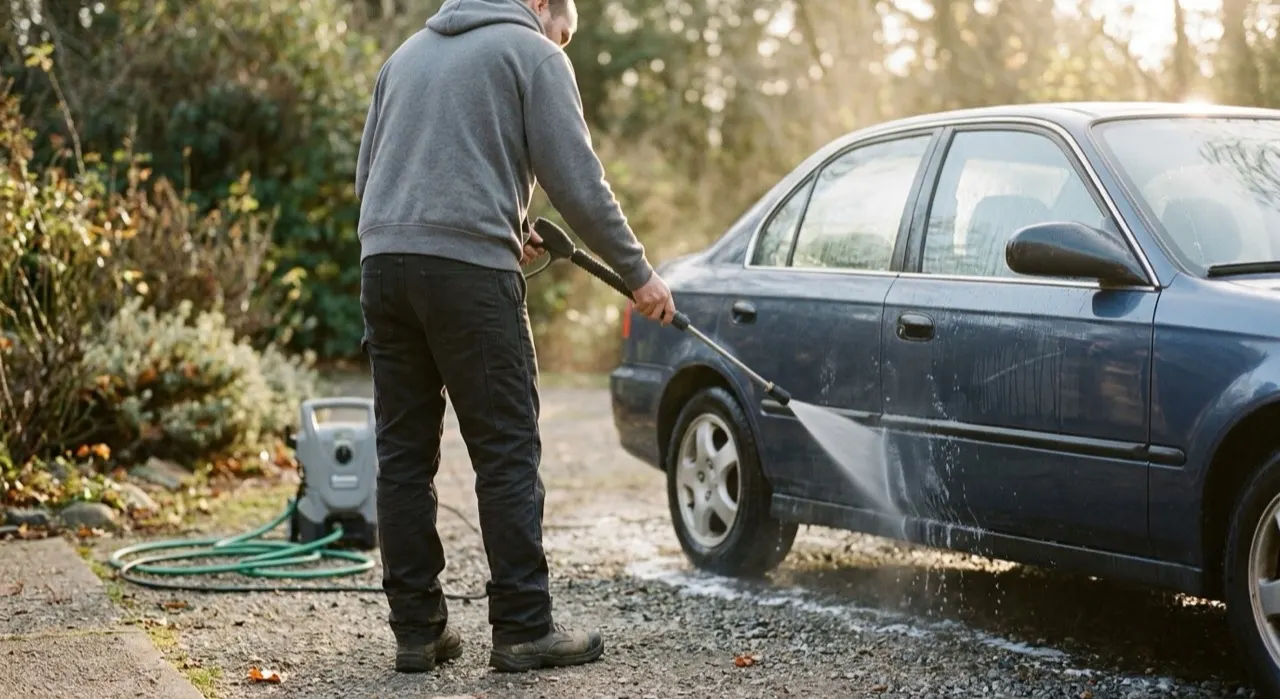
Short version: For washing cars at home, a good electric pressure washer is the machine to beat. Look for around 1,500 to 2,000 PSI, a steady 1.2+ GPM, a metal wand connection, a decent hose, and easy foam-cannon compatibility. It'll be quieter, cleaner and lower-maintenance than gas, and it sits right in the paint-safe zone.
I'll say it plainly: for my own cars, I reach for an electric washer every time. Gas has its place, but for the actual job of washing paint in a driveway, electric is the smarter, calmer tool. Here's what actually separates a good one from a frustrating one, and how to choose. If you're weighing electric against gas in the first place, the full pressure washer guide covers that decision too.
Our Top 3 Electric Pressure Washer Picks
The specs that matter for cars
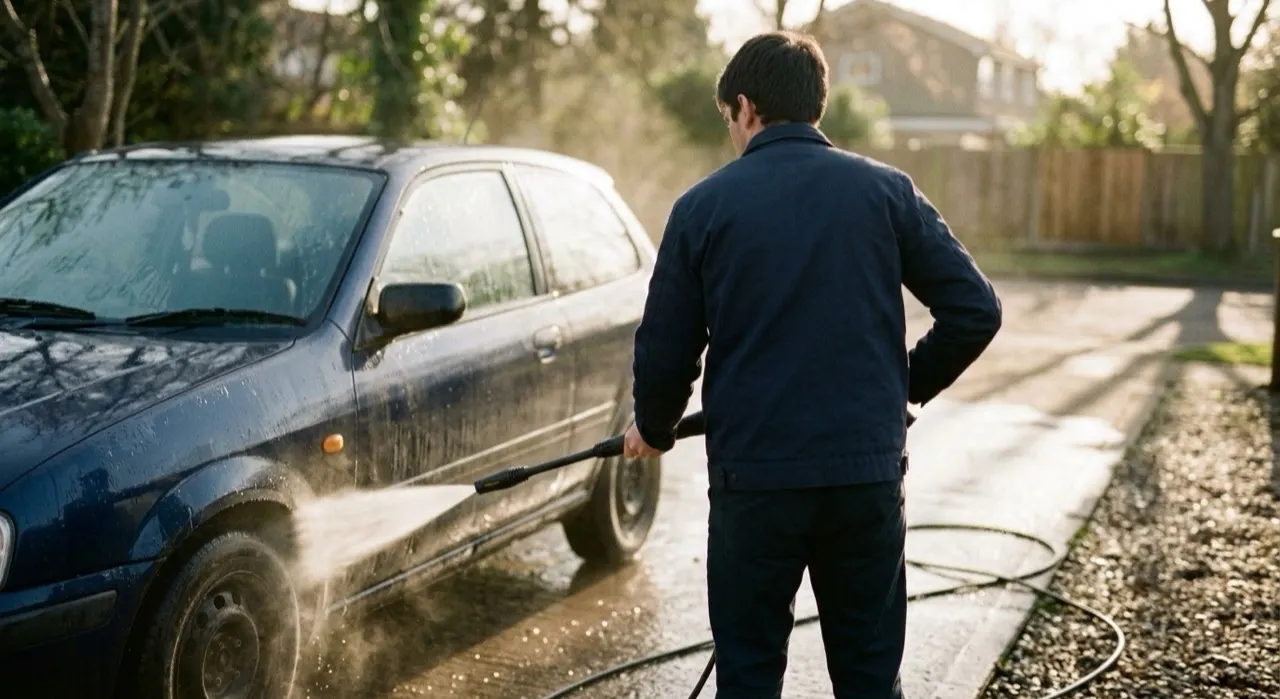
Ignore the marketing and focus on four numbers and one detail:
- PSI (1,500–2,000 is ideal): Enough to clean and rinse without stressing paint. Higher isn't better for cars — I explain the safe window in what PSI is safe for a car.
- GPM (1.2+): Flow does the rinsing and helps a foam cannon draw soap. It's the underrated spec, covered in GPM vs PSI for car washing.
- Hose length and quality: A longer, kink-resistant hose means you're not dragging the machine around the car every panel.
- Wand connection: A metal quick-connect outlasts all-plastic fittings, which crack and leak over time.
- Foam cannon compatibility: Check the brand adapter is easy to get. Some machines have quirky proprietary fittings.
Why electric wins for driveway detailing
The case for electric is about the experience of every wash, not just specs. It starts with a button, not a pull-cord. It runs quiet enough for early Sunday washes and won't gas you out in a garage. It needs no oil, no fuel, no winterizing beyond keeping it from freezing. And most units stop the motor the instant you release the trigger, so you're only drawing power for the few minutes water is actually flowing.
The pressure being lower than gas is a feature here, not a flaw. Cars don't want brute force — they want controlled, spread-out water. Electric arrives closer to that ideal, which means less thinking about how far back to hold the wand. If you're weighing the two, I lay out the full comparison in gas vs electric for detailing.
Choosing by budget tier
Without naming exact prices, here's how the electric market breaks down for car use:
- Budget tier: Compact units around 1,600 PSI. Perfectly capable of washing and foaming a car. The compromises are shorter hoses, more plastic fittings, and less flow. Genuinely fine for one or two cars — I've picked the best of these in best pressure washer under $200.
- Mid tier: Around 1,800–2,000 PSI with better hoses, metal connections and more flow. This is the sweet spot for most home detailers — enough machine to be a joy to use without overpaying.
- Prosumer tier: Higher flow, induction motors that run cooler and last longer, and hose reels. Worth it if you wash often or want a machine that shrugs off years of use.
My honest guidance: most people are happiest in the mid tier. The jump from budget to mid buys you a better hose and metal fittings — the parts that actually fail — while the jump to prosumer is more about longevity and convenience than better results on paint.
Don't forget the foam cannon pairing
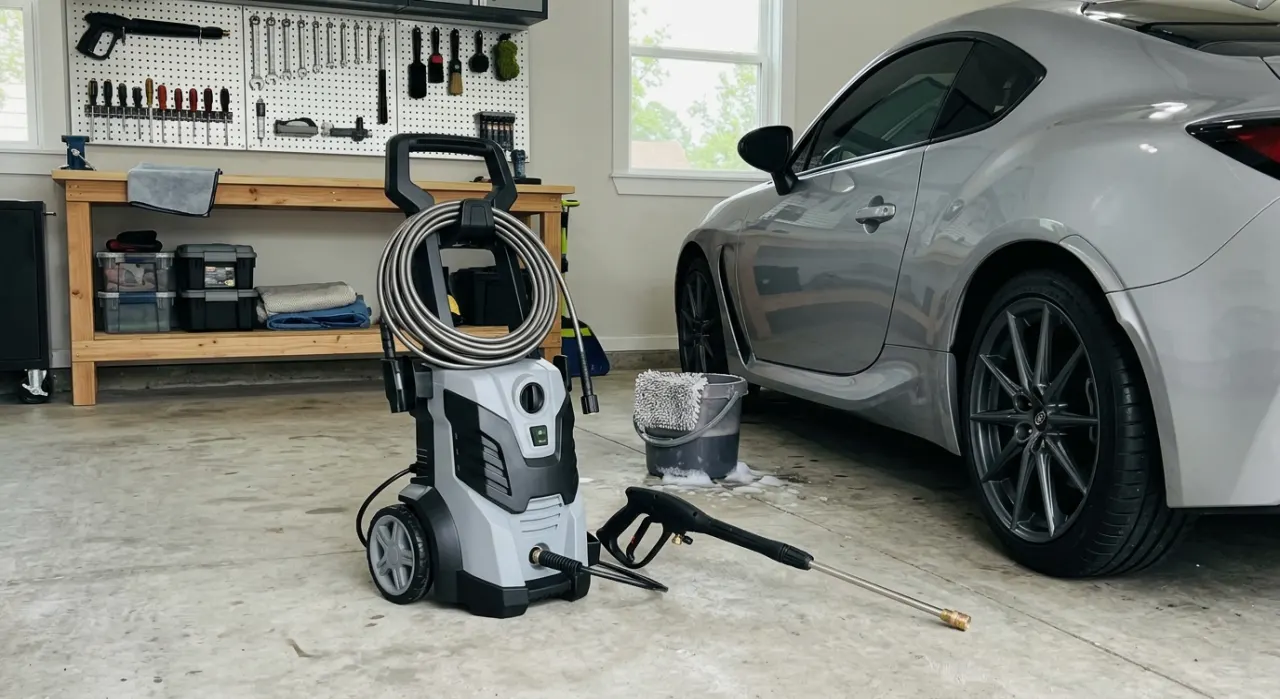
Half the reason to own a pressure washer for cars is the foam. Any of these electric tiers will run a cannon well, but confirm the brand adapter before you buy so you're not stuck hunting for a fitting later. I walk through the whole pairing — connectors, PSI and dial settings — in pressure washer + foam cannon setup.
Making it last
Electric washers are low-maintenance, but a few habits stretch their life a lot: never run them dry, use a short heavy-gauge extension cord (thin cords starve the motor and can burn it out), rinse the inlet filter now and then, and store the machine somewhere it won't freeze — trapped water expanding is a silent killer of pumps.
And whatever machine you land on, remember it's only as paint-safe as your technique. Wide 40-degree nozzle, sensible distance, spray along panels not into seams. The habits that damage cars are all avoidable — I've listed them in pressure washing mistakes.
Universal vs induction motors — the one spec worth understanding
Here's a detail that separates a machine you'll still love in five years from one you'll be replacing: the motor type. Most budget and mid electric washers use a universal motor — light, cheap, and powerful for its size, but it runs hotter and wears faster, especially if you cycle it on and off a lot. Higher-end units use an induction motor, which is heavier and pricier but runs cooler, quieter and far longer.
For a weekend detailer washing one or two cars, a universal-motor machine is completely fine and will last several seasons with good care. But if you wash often, or you want a buy-it-once machine, the induction motor is where your extra money genuinely buys longevity rather than just a bigger number on the box. It's the difference I'd actually pay up for, more than chasing higher PSI.
The trigger-off feature and why it matters
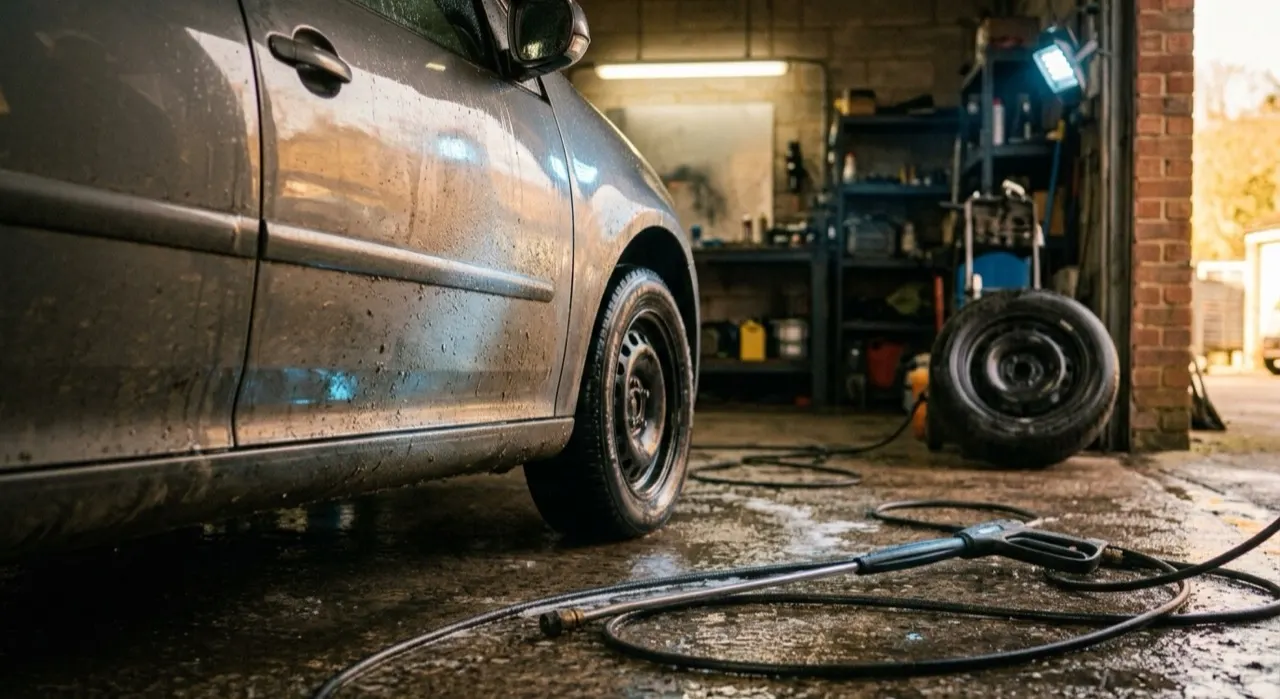
One small but lovely thing about electric washers: most of them use a Total Stop System, meaning the motor cuts out the instant you release the trigger and restarts when you squeeze it. This saves power, cuts noise between passes, and reduces wear from the pump running continuously against a closed valve. When you're comparing budget units, confirm this feature is present — the cheapest machines sometimes run the motor constantly, which is noisier and harder on the pump. It's a quiet quality-of-life marker that tells you a machine was designed thoughtfully.
Popular Electric Pressure Washer Brands
A few names dominate the electric market, and knowing them shortens the search. Greenworks and Ryobi both make widely owned electric units that sit right in the car-friendly range, with easy-to-find foam-cannon adapters and good parts support. Westinghouse has earned a following with models like the ePX3500, which pairs a higher pressure rating with an induction motor at a fair price. Sun Joe and Ryobi own much of the budget tier, while Greenworks and Westinghouse push into the prosumer band. Owners consistently report that buying from a supported brand matters more than the exact model, because it means replacement hoses, wands and O-rings are actually available years later. Whichever badge you choose, judge it on flow, hose quality and motor type rather than the headline pressure number on the box.
How Much PSI Is Too Much: 2000, 2500, 3000 and 4000 PSI
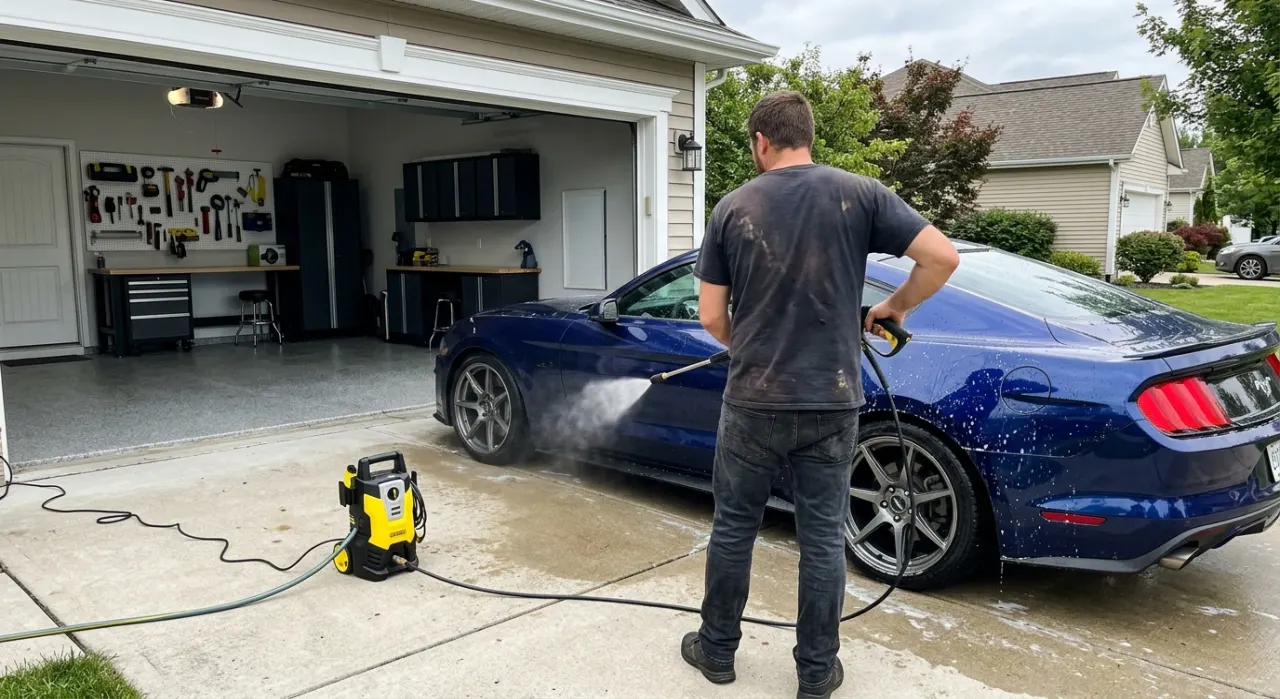
For a car, more pressure is not better performance — it is just pressure you have to dial back. The paint-safe window is roughly 1,500 to 2,000 PSI. A 2,500 PSI electric unit is still fine if you keep your distance and use a wide nozzle, but you gain nothing for paint. Machines rated 3,000 to 4,000 PSI are gas-territory numbers built for concrete, decking and stripping — at that max output you risk chipping paint, forcing water past seals, and lifting trim if you get careless. Owners consistently report that the extra pressure sits unused on a car because they stand further back to be safe. If you also pressure-wash a driveway, a higher-PSI machine earns its keep there; for washing paint, buy for flow and nozzle control, not a bigger number.
What Consumer Testing and Owners Pick Overall
When you cross independent lab testing with the owner reviews, the same picks keep surfacing. Publications like Consumer Reports and large owner bases tend to agree that the best overall electric pressure washers for home use are the mid-tier units around 1,800 to 2,000 PSI — high enough to clean and foam a car, not so high they become a liability on paint. Beyond the Greenworks and Westinghouse names, the Craftsman CMEPW2100 is a frequently recommended mid unit that pairs a genuinely useful pressure rating with a metal wand connection and easy parts support. The pattern in both the testing and the reviews is consistent: a new buyer is better served by a well-supported mid-tier machine than by chasing the highest number, because flow, hose quality and motor type decide long-term satisfaction far more than a bigger PSI figure on the box.
Bottom line
A quality electric pressure washer around 1,500–2,000 PSI with decent flow, a good hose and easy foam-cannon compatibility is the right tool for home car washing. It's quieter, cleaner, cheaper to run and safer on paint than gas, and it'll foam a car every bit as thick.
Recommended Electric Pressure Washers
Best for most home car washers — huge owner base, dual detergent tanks
- 2,000 PSI working (2,500 max) — dial back for paint
- Total Stop System cuts the motor off-trigger
- Two onboard detergent tanks, five quick-connect tips
- The most-reviewed electric washer here by a wide margin
Why buy it: the safe default — enough pressure and flow to wash and foam a car, backed by the largest owner consensus of any unit on this page.

Best for buyers who wash often and want the induction-motor longevity
- 2,300 max PSI, 1.76 max GPM — strong flow for rinsing
- Higher owner rating than any other unit here
- Onboard soap tank and quick-connect nozzles
- Runs cooler and quieter than universal-motor rivals
Why buy it: the step-up pick — the highest owner rating of the group with the flow and build to shrug off years of regular washes.

Best for a supported-brand unit at a lower price with foam-friendly flow
- 2,000 PSI, 1.2 GPM — right in the car-safe window
- Easy-to-find Greenworks foam-cannon adapters
- Compact, light and simple to store
- Good parts support from a mainstream brand
Why buy it: the sensible budget buy — car-safe pressure, enough flow to run a foam cannon, and a brand you can still get hoses and O-rings for years later.

Best for owners who want strong, steady flow from a known brand
- CETA-certified with three spray nozzles
- Onboard detergent tank for soap application
- Kärcher parts and adapters are widely stocked
- Steady flow makes rinsing and foaming easy
Why buy it: the trusted-name pick — a large, satisfied owner base and reliable flow, with Kärcher accessories easy to source anywhere.

Best for a lightweight, easy-to-handle unit for driveway detailing
- Lightweight corded design, easy to move around a car
- Quick-connect nozzles including a soap tip
- Strong 4.4 owner rating across thousands of reviews
- Backed by Craftsman parts support
Why buy it: the easy-living pick — light enough to walk around the car panel to panel, with the paint-safe manners and parts support home detailers want.
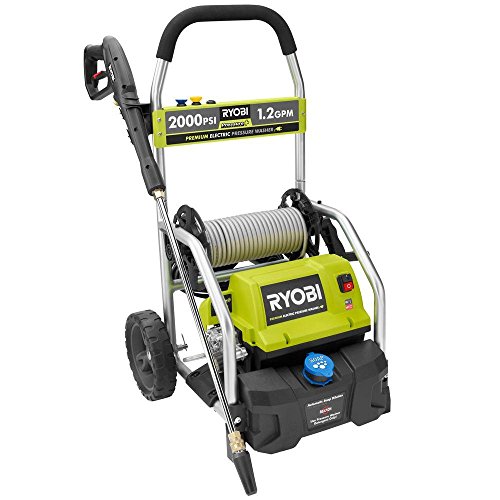
Best for apartment and small-garage owners short on storage
- 2,000 PSI, 1.2 GPM — car-safe pressure with usable flow
- Compact footprint that stores easily
- Ryobi foam-cannon adapters are easy to find
- Onboard detergent tank
Why buy it: the space-saver — car-friendly numbers in a small package from a brand whose accessories and parts are everywhere.
Prices are pulled from Amazon and were accurate as of Aug 22, 2026, 6:54 PM EDT. Product prices and availability are subject to change — the live price is shown on Amazon.
For the specific models I rate — with the electric picks called out — head to the best pressure washer for cars page. Those are my top recommendations, and the electric options there are the ones I'd genuinely put in my own garage.