

Affiliate Disclosure
Some links on this page are affiliate links. As an Amazon Associate, we earn from qualifying purchases — at no extra cost to you. We do not buy, test, or physically handle the products we cover; our rankings come from aggregated owner reviews, ratings and expert consensus. Commissions never change our verdicts. How we rank & full disclosure.
The short version: a boat charger is a different product from the one on your garage wall, and the differences are not cosmetic. It lives permanently on the boat, so it is sealed and rated for water ingress. It sits near an engine, so it is ignition protected against fuel vapor. And it has more than one output, because a boat carries a cranking battery and one or more deep-cycle batteries that want completely different treatment. Ranked across thousands of owner reviews, our #1 is the NOCO Genius GENPRO10X2: two fully independent 10 amp banks, an IP68 sealed housing, ignition protection, and per-bank chemistry selection covering flooded, AGM, gel and LiFePO4. Below is the full ranked field, how to count banks without getting it wrong, and what the waterproof ratings actually promise.
This page is about matching a charger to a boat — hull type, battery count, where it gets stored. For the deeper technical treatment of on-board multi-bank hardware, wiring and ignition protection, see best marine battery charger. If the problem is a dead cranking battery at the ramp rather than charging at the dock, that is a different tool entirely — jump starters for boats and marine.
Top Picks at a Glance
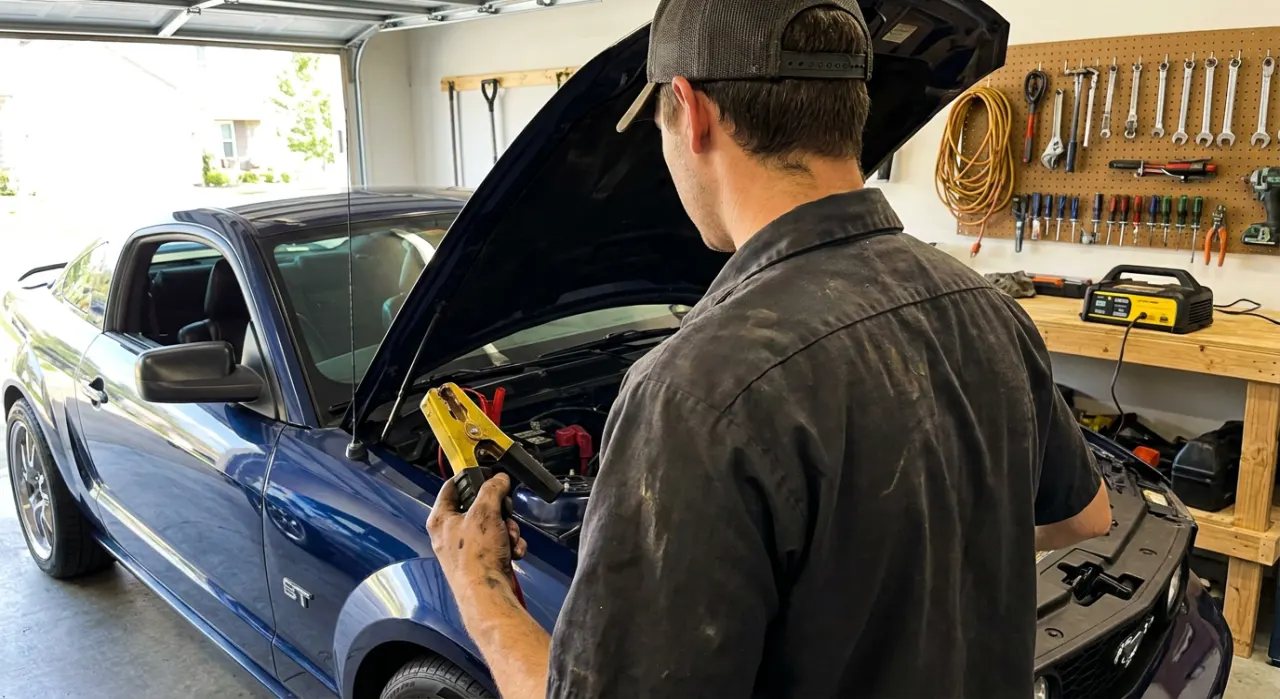
Why the NOCO Genius GENPRO10X2 Is Our #1
Most boats on the water carry exactly two batteries — one to start the engine, one to run a trolling motor or the house loads — and the GENPRO10X2 is built precisely for that boat. The headline number is 10 amps per bank, which sounds like a small step up from the 5 amp on-board chargers that dominate this category until you do the arithmetic. A 100Ah deep-cycle battery pulled down to half capacity needs roughly 120 amp-hours back once you allow for absorption taper. At 5 amps that is most of a day. At 10 amps it is an evening. For anyone who uses their boat on consecutive days, that single spec changes the ownership experience more than anything else on the sheet.
The construction is the other half of the case. The unit is fully potted and IP68 rated, meaning the electronics are encapsulated rather than merely enclosed, and it carries the ignition protection that makes installation in an engine compartment acceptable. Owners consistently report it surviving seasons of pounding in bass boats and center consoles where lighter-built chargers quit. Each bank is independently regulated and independently configurable, so an AGM cranking battery and a LiFePO4 trolling battery can live on the same charger — an increasingly common mixed setup as anglers convert trolling banks to lithium.
The honest complaints. It costs roughly three times what a 2 amp per bank maintainer costs, and if your boat sits on a mooring all season and only ever needs topping up, you are paying for current you will not use. Installation is real work: this is a mounted, wired device with ring terminals and in-line fuses, not something you clip on in five minutes. And at 20 amps total it draws enough AC that a long, thin extension cord run through a hatch will annoy it — a proper shore inlet is the right answer.
Best Battery Chargers for Boats 2026: The Ranked Field

Best for the two-battery boat that most people actually own
- 10A per bank, banks charge independently
- IP68 rated, fully potted and sealed
- Ignition protected for engine compartments
- Flooded, AGM, gel and LiFePO4 profiles
Why buy it: ten amps a bank is the difference between fishing again tomorrow and waiting two days — and the IP68 housing survives the spray, vibration and humidity that kill cheaper units.

Best for keeping two boat batteries alive through the off-season
- 2A per bank, 6V and 12V capable
- Sealed housing, mounts in any orientation
- Per-bank AGM and lithium selection
- Small enough for a console locker
Why buy it: the cheapest correct way to look after two batteries on a small boat — 2 amps a bank is maintenance current, not recovery current, and that is exactly what a stored boat needs.

Best for hard-fished boats that get drawn down every weekend
- 20A distributed on demand between banks
- Waterproof, shock and vibration resistant
- Automatic energy-saver maintenance mode
- Selectable AGM, flooded and gel profiles
Why buy it: distributed-on-demand output is the feature that matters here — the charger sends the current to whichever battery is still hungry instead of splitting it evenly and wasting half of it.
Best for deep-cycle trolling batteries on a bass boat
- Digital 2-bank on-board charger
- AGM, flooded and gel profiles per bank
- Waterproof, built for hull vibration
- Multi-stage charge with long absorption
Why buy it: the brand trolling-motor owners already trust, with a genuinely long absorption stage — which is what a deep-cycle battery needs to actually reach 100 percent instead of stalling at 90.
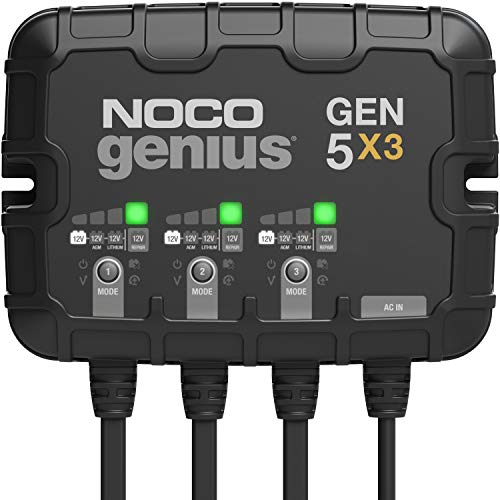
Best for a cranking battery plus a 24V trolling pair
- 5A per bank across three banks
- Every bank independently regulated
- Sealed and ignition protected housing
- Lead-acid and LiFePO4 supported
Why buy it: the right shape for the most common serious-fishing setup — one start battery and two 12V trolling batteries, each charged on its own terms rather than as a series string.
Best for batteries you pull out and charge in the garage
- 15A single output, IP65 splash rated
- Bluetooth monitoring and configuration
- Adaptive lead-acid and LiFePO4 curves
- Storage mode for long winter layups
Why buy it: the answer for trailer boats stored where there is no shore power — carry the batteries home, charge them properly on a bench, and watch every stage from your phone.
Prices are pulled from Amazon and were accurate as of Aug 22, 2026, 6:44 PM EDT. Product prices and availability are subject to change — the live price is shown on Amazon.
Matching the Charger to the Boat
Small runabouts and skiffs usually have one starting battery and one job for the charger: keep it at float between outings. A single-bank sealed unit or a 2 amp per bank maintainer like the GENIUS2X2 is plenty, and the money is better spent on a decent battery than on charging current you cannot use.
Bass boats and fishing rigs are where bank count starts to matter. A cranking battery plus a 24V trolling motor means three batteries and three banks, and the trolling batteries are deep-cycle units that get genuinely drained. This is the boat that benefits most from 10 amps a bank, and it is the boat that suffers most from buying a 2-bank charger and promising to swap clamps for the third battery.
Pontoons sit somewhere in between — often a start battery and one or two house batteries running lights, a stereo and a livewell. Draw is moderate, so a 5 amp per bank unit is comfortable, but pontoons frequently live on lifts and covered slips where shore power is available, which makes a permanently installed on-board charger an easy win.
Cruisers and sailboats flip the problem. Instead of several small batteries you have one large house bank, sometimes 200Ah or more, and the useful spec becomes total amps rather than bank count. A single high-current unit like the Victron 15A or its 25A sibling refills that bank in a day, and Bluetooth monitoring earns its keep when the batteries live somewhere you would rather not crawl.
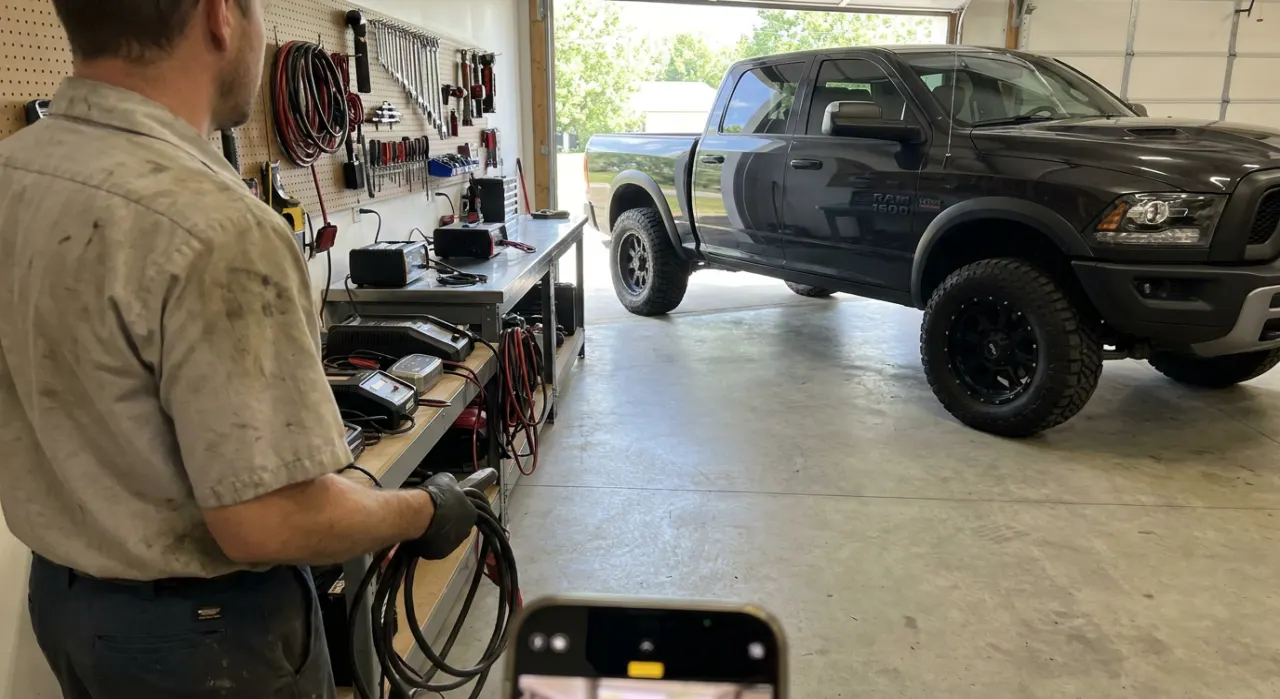
Deep-Cycle Batteries Are the Reason for All of This
A starting battery gives up a huge burst of current for a few seconds and is immediately topped back up by the outboard's charging system. A deep-cycle battery gets drained to half capacity or lower and refilled slowly, over and over, for hundreds of cycles. Those two duty cycles want different charging, and the difference is mostly in the absorption stage. Deep-cycle batteries need a long absorption phase at a held voltage to actually reach a true 100 percent; a charger that declares victory at 90 percent leaves a little sulfation behind every single time, and chronic undercharging is the single most common cause of premature deep-cycle death. Marine and deep-cycle chargers advertise long absorption phases for exactly this reason, and it is a real functional difference rather than marketing. The sizing rules are covered properly in best deep cycle battery charger.
Chemistry: Get This Right or Do Not Bother
Boats now run a genuinely mixed fleet of chemistries, and the charger has to match each one. Flooded lead-acid tolerates the widest voltage window and can be topped up with distilled water. AGM is sealed, wants absorption held around 14.4 to 14.7 volts, and must never receive a desulfation or repair pulse — the gas it vents when you push it past its design voltage is gone permanently and the capacity never comes back. LiFePO4 trolling and house batteries are a different animal again: a different voltage curve, a different termination behavior, and a lead-acid profile applied to them can drive the pack outside its safe window. That is a fire-risk conversation, not an efficiency one.
Practically, this means two things. Set the chemistry per bank, because your cranking battery and your trolling batteries may not match. And never leave a charger on an automatic all-chemistries program that includes a repair pulse, because sooner or later it will apply it to the wrong battery. The details live in best AGM battery charger and best lithium (LiFePO4) battery charger, and if you are not sure what is in your boat, AGM vs flooded settles it in two minutes.
Common Mistakes
Mounting an automotive charger on the boat. No ingress rating, no ignition protection, no independent banks. Use one only on a battery you have removed to the garage — the portable Victron above is the honest version of this idea.
Buying one bank fewer than you have batteries. It always ends with someone swapping clamps in the dark. Count the batteries, including each 12V battery inside a 24V or 36V trolling string.
Confusing a charger with a jump starter or a maintainer. A charger refills, a maintainer holds a healthy battery at float, and a jump starter supplies one burst of cranking current and charges nothing. Battery charger vs maintainer sorts it out.
Storing batteries partially charged. A lead-acid battery left at 60 percent over a winter sulfates permanently. Charge fully, then either leave the on-board charger connected or use a dedicated storage setup — see chargers for winter storage.
Ignoring the ring terminals. Most marine electrical failures are connection failures, not component failures. Clean and grease the terminals each season and check the in-line fuses.

How We Rank
We have no lab, no test boat, and we do not bench-test chargers ourselves. We rank by aggregating owner ratings, review volume and the recurring themes boaters report across multiple seasons, weighed against published specifications and standard marine electrical practice. Anything meant to stay installed on a boat has to clear a hard filter first: sealed construction with a stated ingress rating and stated ignition protection, or it does not appear. After that we weight bank independence, per-bank chemistry support including LiFePO4, current per bank measured against realistic 100Ah deep-cycle batteries rather than against a car battery, and long-term durability, where owner reports after two or three seasons of vibration, humidity and salt tell you far more than any spec sheet. Prices were current at the time of writing.
The Verdict
For the two-battery boat that most people own, the NOCO Genius GENPRO10X2 is the charger owners rate highest — 10 amps a bank, IP68 sealed, ignition protected, and happy with lithium. Anglers running a cranking battery plus a 24V trolling pair should buy the NOCO GEN5X3 instead and get the bank count right the first time, while boats that get genuinely hammered on back-to-back days are better served by the ProMariner ProSport 20 Gen 3 and its distributed-on-demand output. If the boat only ever needs maintaining over the off-season, the NOCO GENIUS2X2 does that for a third of the price, and if there is no shore power where you store the boat, pull the batteries and use the Victron Blue Smart IP65 15A on a bench.
Related reading: the battery chargers hub, marine on-board chargers for the wiring and ignition-protection detail, solar maintainers for boats stored away from power, and roadside emergency for what belongs in the tow vehicle. To work out whether a battery is worth charging at all, see how to test a car battery.
On-Board vs Portable 12V Marine Chargers
There are two ways to charge a boat's batteries, and the right one depends on where you store it. An onboard charger stays wired to the boat permanently — sealed, ignition protected, and ready the moment you plug into shore power. A portable 12V charger like the Victron lives in the garage, and you carry the batteries to it. Owners consistently report that trailer boats stored where there is no power are best served portable, while boats on a covered slip or lift favor a fixed on-board unit. If your marina has shore power at the dock, an on-board charger that tops the batteries between trips is the set-and-forget answer.
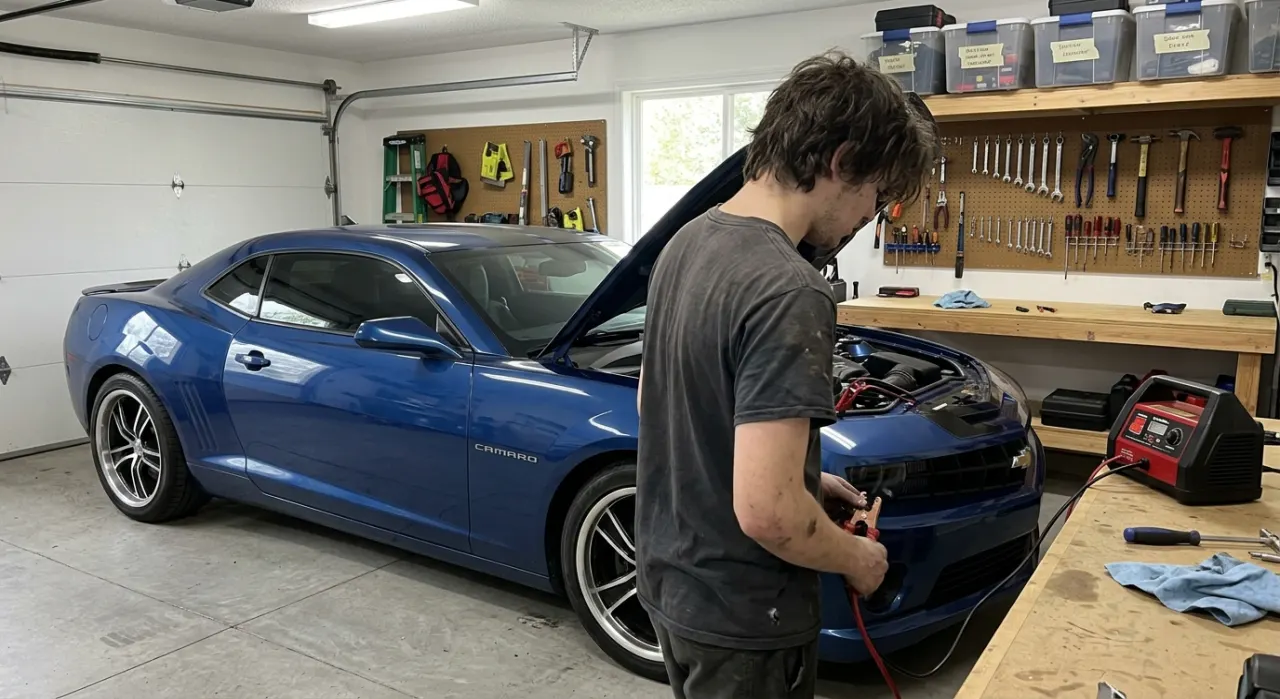
Trickle Charging and Off-Season Storage
Between trips and over winter, a boat battery does not need recovery current — it needs a trickle. A low-amp maintainer or trickle charger holds the battery at its correct float voltage for months without cooking it, and that is what keeps a lead-acid battery from sulfating on the trailer. Owners consistently report a battery left uncharged all winter is the most common reason a boat will not start in spring. If there is no power where the boat is stored, a small solar maintainer does the same trickle job off-grid. Charge the batteries fully first, then leave the trickle connected or pull them somewhere dry and powered.
Marine Charger Brands: NOCO, ProMariner, Minn Kota and Guest
The marine charger market runs on a handful of names. NOCO Genius dominates the sealed multi-bank category and covers every chemistry including lithium. ProMariner's ProSport line is the long-standing premium choice, known for distributing current on demand to whichever bank is hungry. Minn Kota is the brand trolling-motor owners already trust, with genuinely long absorption stages for deep-cycle banks. Guest is the old-guard marine name still found on many older boats. Two more names round out a serious shortlist: Dual Pro makes heavy, professional-grade on-board chargers that many tournament anglers swear by, and Sterling Power is the go-to for high-output and mixed 12V lithium setups on bigger cruisers. Owners consistently report that sticking to a named marine brand with a real warranty matters more here than on land, because the charger lives in spray, vibration and salt that kill anonymous units within a season or two.
Quick Comparison
NOCO Genius GENPRO10X2 (2-Bank, 20A Total)
Best for the two-battery boat that most people actually own
Best Value
NOCO GENIUS2X2 (4A, 2-Bank)
$99.95 · Check Price on Amazon
Best Premium
ProMariner ProSport 20 Gen 3 (2-Bank, 20A)
$309.98 · Check Price on Amazon
Best for Trolling Motor Banks
Minn Kota MK 210D (2-Bank, 5A per Bank)
Check Price on Amazon
Best 3-Bank
NOCO Genius GEN5X3 (3-Bank, 15A Total)
$199.95 · Check Price on Amazon
Best Portable for Off-Boat Charging
Victron Blue Smart IP65 12V 15A
Check Price on Amazon
Prices are pulled from Amazon and were accurate as of Aug 22, 2026, 6:44 PM EDT. Product prices and availability are subject to change — the live price is shown on Amazon.