Redline Garage is reader-supported. We earn affiliate commissions from qualifying purchases — how this works.

How to Read OBD2 Codes: The Complete DIY Guide

Home/Resources/Reading OBD2 Codes
DIY · Diagnostics · Beginner
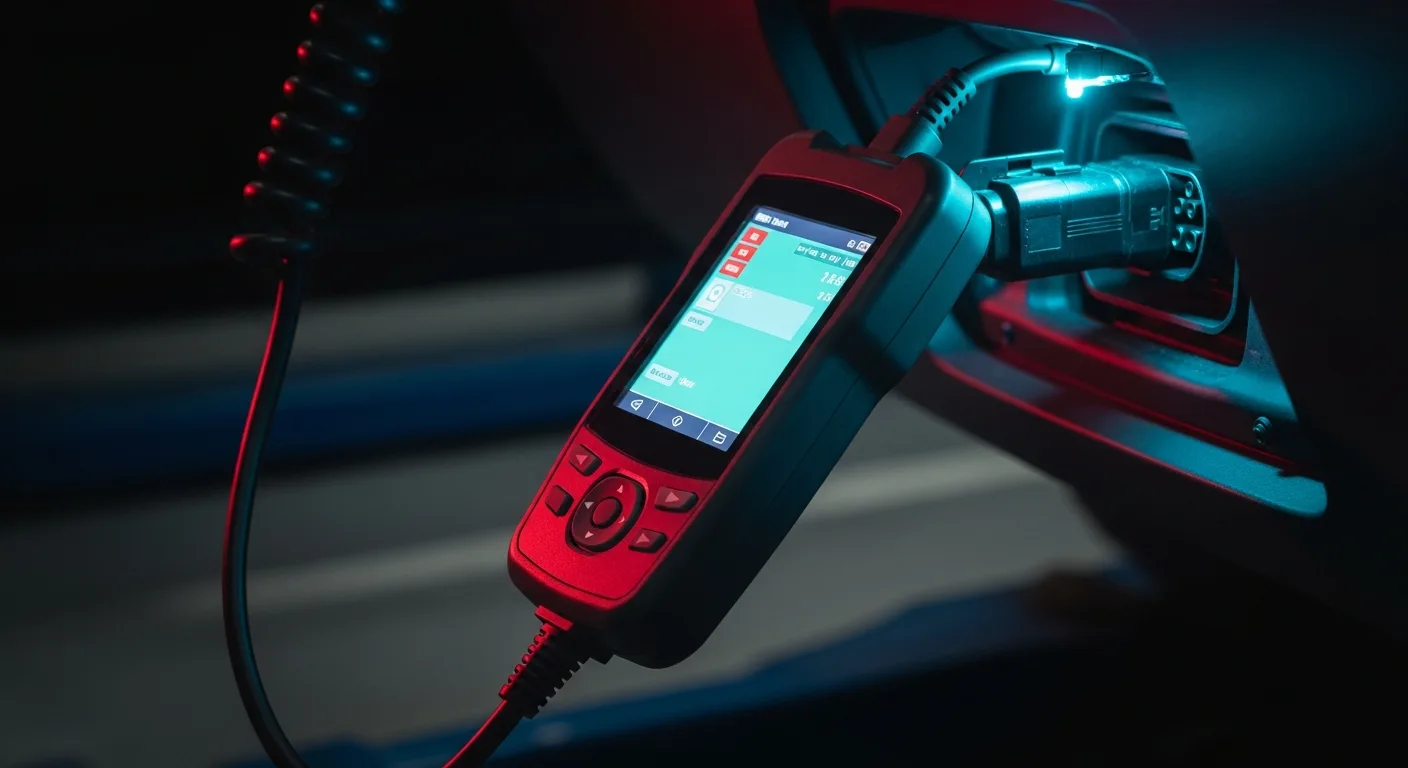
A Bluetooth OBD2 scanner plugged into the port under a JDM car dash with live data on a phone

Short version: your check engine light is information, not a death sentence — and you can read it yourself in five minutes with a scanner that costs less than the dealer charges just to plug one in. This hub takes you from "where's the port" to "what the code means and what to do", in plain English, on any normal road car including JDM imports. A code names the affected system, not the exact broken part — so read, understand, then decide.

What OBD2 Actually Is

OBD2 (On-Board Diagnostics, 2nd gen) is the standard that lets one scanner talk to any compliant car — mandated in the US from 1996, Australia from 2006. Your car's ECU watches its emissions-related systems, stores a diagnostic trouble code (DTC) when something's wrong, and lights the check-engine lamp. Full background in what is OBD2.

Reading the Code (the 5-Minute Job)

The 16-pin port lives under the dash on the driver's side. Ignition to ON (engine off), plug in, choose Read Codes, and record every code plus the freeze frame before touching anything. Step-by-step with port locations: how to read a code.

The Gear — Scanner or Phone?

You don't need to spend much. A sub-$30 Bluetooth dongle + a free app (Torque, Car Scanner) reads, clears and streams live data — see best budget Bluetooth OBD2 (and how to dodge fake ELM327 clones). Want a dedicated handheld with ABS/SRS or bidirectional control? The tiers are in best OBD2 scanners.

Decoding the Code

Every DTC is five characters: system letter (P/B/C/U), generic-vs-manufacturer digit, subsystem, then the specific fault. Once you can read that structure, codes stop being cryptic — full breakdown in understanding the code format. For the ones you'll actually see — P0300 misfire, P0420 catalyst, P0171 lean, P0455 EVAP — causes and severity are in most common codes.

Going Deeper: Freeze Frame & Live Data

A code points at a system; freeze frame and live data point at the cause. The snapshot of conditions when the fault set, plus real-time sensor PIDs (fuel trims, O2 voltages, MAF), turn guesswork into a real diagnosis. How to use them: freeze frame & live data.

Clearing Codes — and When Not To

Clearing a code doesn't fix anything; it just wipes the warning, the freeze frame, and your readiness monitors. Do it after a repair or to test a one-off, not to hide a fault. Why, and how, in how to clear a code — and the three code states (pending, stored, permanent — the last one you can't clear) in pending vs stored vs permanent.

Readiness Monitors & Passing Inspection

Clearing codes or disconnecting the battery resets your readiness monitors to "not ready" — and a car with too many incomplete monitors fails inspection even with no codes and the light off. Don't clear right before a smog/rego check; run a proper drive cycle first. Full guide: readiness monitors & smog.

Is It Safe to Keep Driving?

Steady light = drive gently, scan within a day or two. Flashing light = active misfire damaging your catalytic converter = stop. Any overheating, oil-pressure, or drivability change = pull over now. Decision guide by light and by code: is it safe to drive.

OBD2 on JDM Imports

Japanese-market cars went their own way. Most post-2001 imports use a standard JOBD port a generic scanner reads, but many pre-2000 cars use manufacturer connectors and blink codes — jumper the right pins and count CEL flashes. The signature JDM page: OBD2 on JDM imports.

Light On Right Now?

Grab a scanner, pull the code, note the freeze frame, then work the topical map below to understand it and decide your move. Reading your own codes is the cheapest diagnostic upgrade you can make.

Affiliate Disclosure

Some links on this page are affiliate links. If you buy through them we may earn a small commission at no extra cost to you. It never changes our verdicts — we only recommend gear we would run on our own cars. Read the full disclosure.

// The Full Picture

Reading OBD2 Codes Topical Map

Every sub-topic that connects back to the seed — a core of how-to and decision pages, surrounded by an outer ring that deepens the knowledge.

Central EntityReading OBD2 Codes
Core Section — do it & buy it
Read a Code Step by Step Find the port, plug in, pull the code in under 5 minutes. Live Wed, 15 July
How to Clear a Code Reset it the right way — and why clearing without fixing backfires. Live Thu, 16 July
Best OBD2 Scanners Basic reader to pro bidirectional — what to buy for your needs. Top Picks Best Budget Bluetooth OBD2 Turn your phone into a scan tool — dongles + Torque/Car Scanner. Top Picks
Outer Section — know & trust
What Is OBD2? The port, the 1996 mandate, the protocols — how it all works. Live Thu, 16 July
Understanding Code Format Decode P/B/C/U and the digits — P0xxx vs P1xxx explained. Live Fri, 17 July
Most Common Codes P0300, P0420, P0171, P0455 — causes and how serious each is. Live Fri, 17 July
Freeze Frame & Live Data Turn a vague code into a real diagnosis with sensor PIDs. Live Sat, 18 July
Pending / Stored / Permanent The three code states and why a permanent code won’t clear. Live Sat, 18 July
Readiness Monitors & Smog Why incomplete monitors fail rego — and the drive cycle to fix it. Live Sun, 19 July
Is It Safe to Drive? Steady vs flashing, by-code risk, and when to pull over now. Live Sun, 19 July
OBD2 on JDM Imports JIS ports, blink codes and pre-2008 quirks on Japanese cars. Live Mon, 20 July
// Straight Answers

Frequently Asked

How do I read an OBD2 code myself?

Find the 16-pin port under the dash (driver’s side), turn the ignition to ON without starting, plug in a scanner or a Bluetooth dongle paired with a phone app, and choose “Read Codes”. Write down every code plus the freeze-frame data before you clear anything. The whole thing takes about five minutes and you can’t damage anything plugging in.

Do I need an expensive scanner?

No. A sub-$30 Bluetooth dongle with a free app like Torque or Car Scanner reads and clears codes and streams live data — plenty for most DIY diagnosis. Step up to a mid-range handheld for ABS/SRS codes, or a bidirectional pro tool only if you need active tests like EPB brake retraction.

What does a code like P0420 actually mean?

The first letter is the system (P = powertrain), the next digit says generic (0) or manufacturer-specific (1), and the rest pinpoint the fault — P0420 is catalyst efficiency below threshold. Crucially, a code names the affected system, not the exact broken part, so diagnose with freeze-frame and live data before buying parts.

Should I clear the code to make the light go off?

Only after you’ve fixed the fault, or to test whether a one-off (like a loose fuel cap) returns. Clearing without fixing just hides the problem — the light comes back when the monitor re-runs, and it wipes freeze frame plus resets readiness monitors, which can fail a smog/rego test.

Is it safe to drive with the check engine light on?

A steady light usually means drive gently and get it scanned within a day or two. A flashing light means an active misfire is cooking your catalytic converter — reduce power and stop. Any temperature, oil-pressure, or drivability change means pull over now. Scan it before you decide.

Will my scanner work on a JDM import?

Most post-2001 JDM cars use a standard 16-pin JOBD port and a generic scanner works (a Car Scanner custom-PID profile unlocks more). Many pre-2000 imports use manufacturer connectors (Nissan Consult, Toyota TE1-E1, Honda service connector) and are read with blink codes by jumpering pins and counting the flashes.