If you've spent any time on the ceramic coating rabbit hole, you already know the signal-to-noise ratio is terrible. Half the results are paid reviews where every product mysteriously scores 9.5 out of 10. The other half are forum threads that turn into tribalism by page three. We got sick of it, so we built our own rubric and tested each coating ourselves — on actual daily drivers, not showroom queens.
This guide is the buying section of our complete ceramic coating guide. If you want to understand what SiO2, hydrophobicity, contact angle and the 9H hardness myth actually mean before you buy, start there. If you want to know which bottle to put in your cart right now, keep reading.
Top Picks at a Glance
Best DIY Ceramic Coatings, Ranked
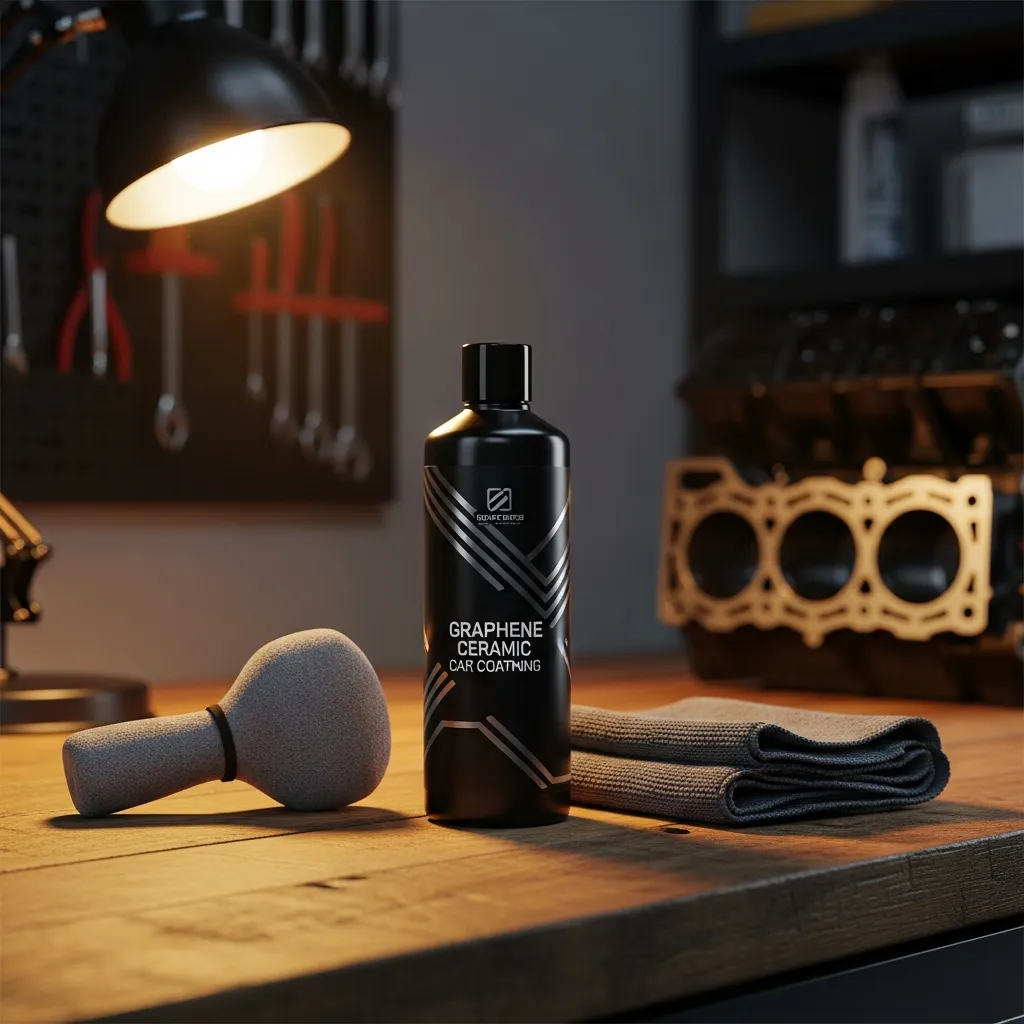
Best for the best DIY durability and gloss
- Graphene-infused hardness
- 2–5 year durability
- Slick, high-gloss finish
- Beginner-friendly kit
Why buy it: the best all-round DIY kit — long life and an easy application.
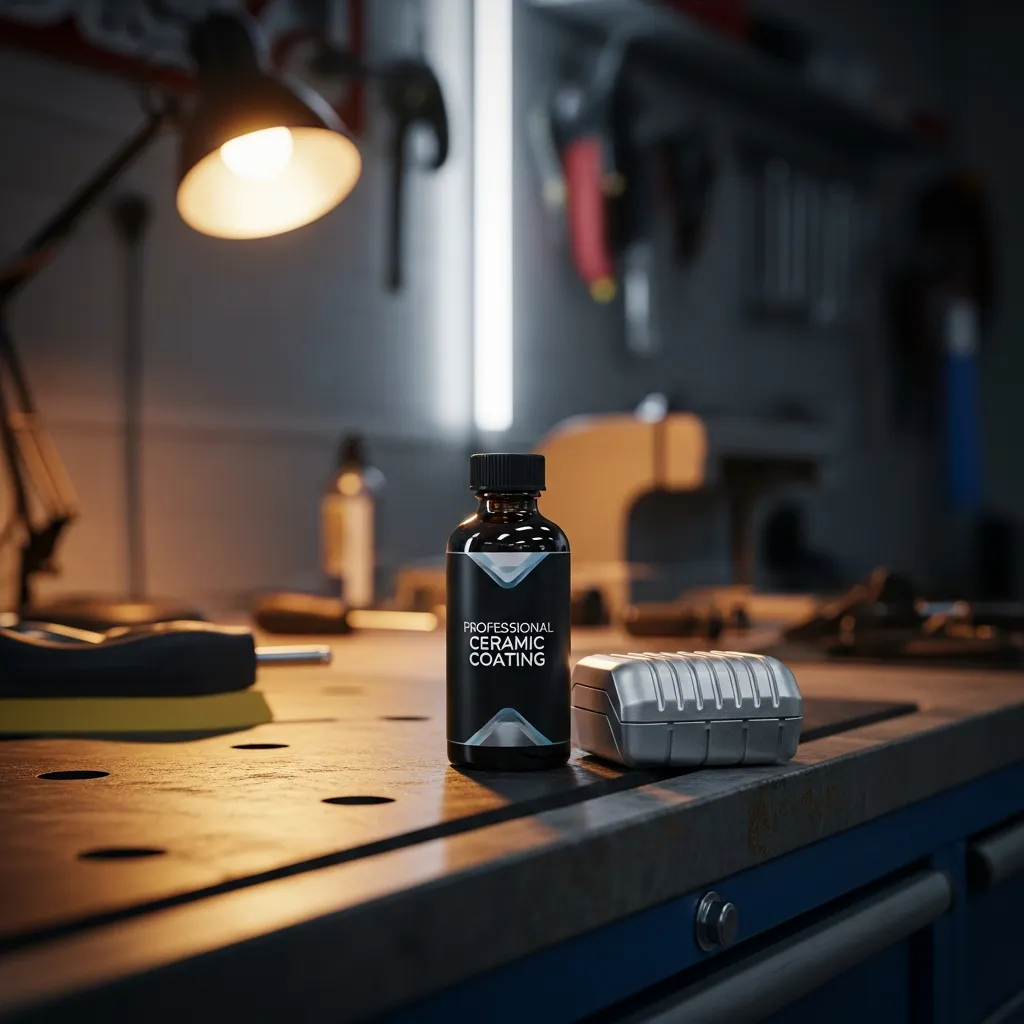
Best for maximum longevity
- Pro-grade hardness
- 2+ year protection
- Deep, warm gloss
Why buy it: a detailer favourite that survives years with proper prep.
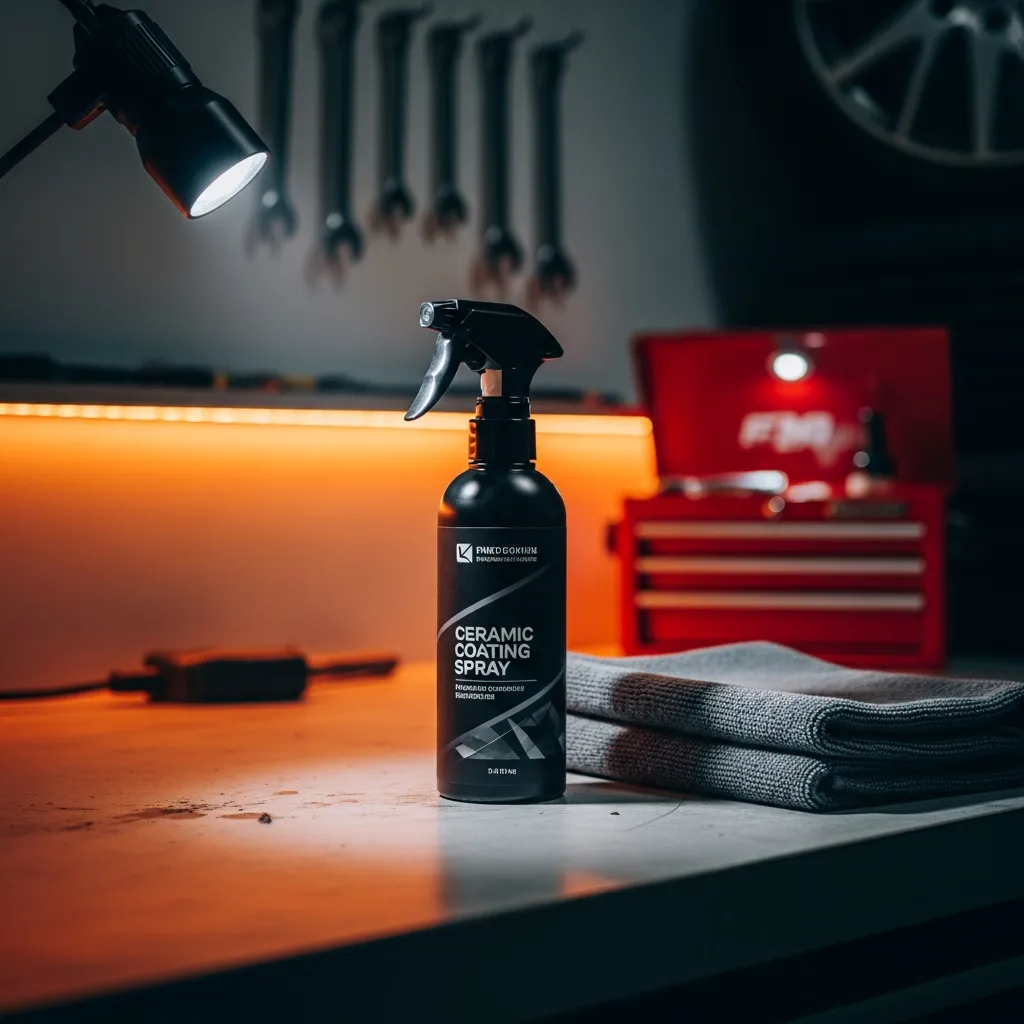
Best for fast spray-on protection
- Spray-on / wipe-off
- SiO2 hydrophobic layer
- Great for beginners
Why buy it: spray-on ceramic protection in minutes with no cure fuss.
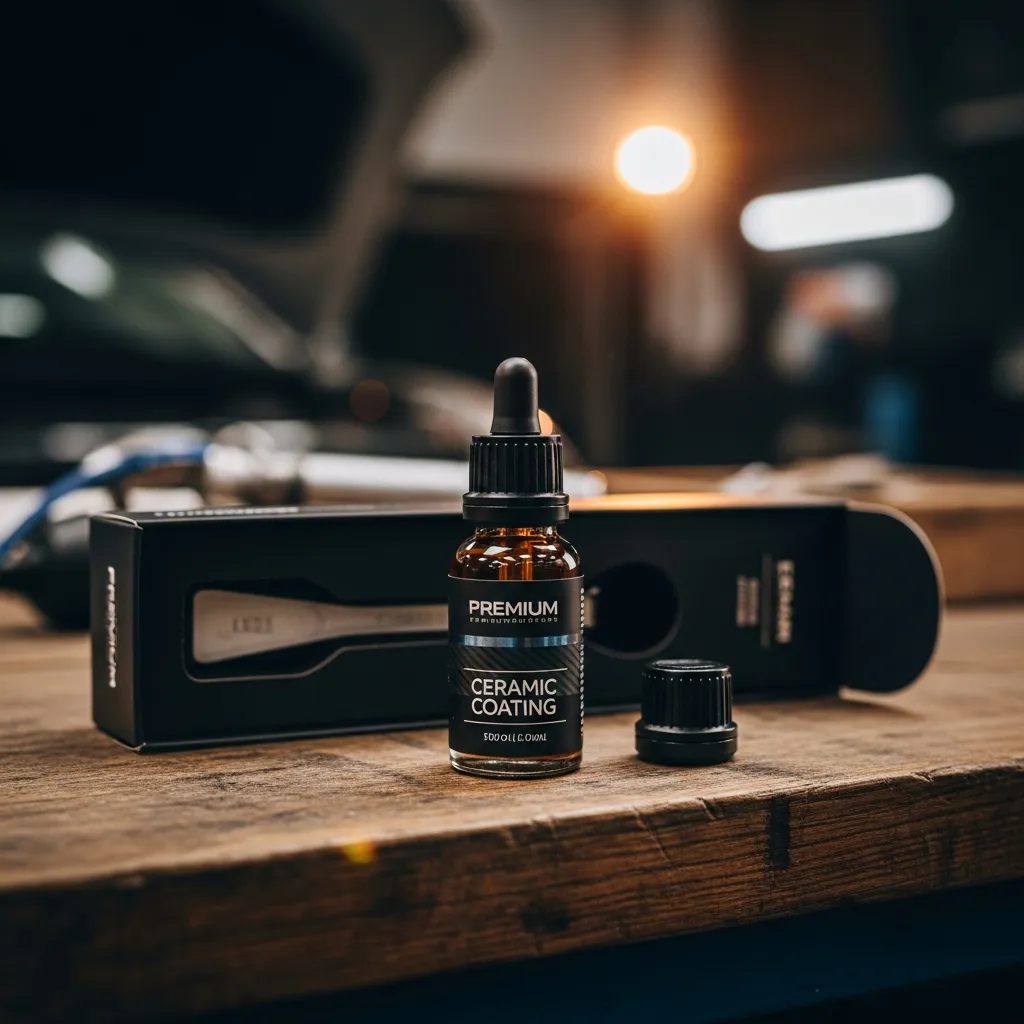
Best for the closest thing to a pro coating
- Near-professional hardness
- 5+ year durability
- Superb chemical resistance
Why buy it: pro-tier protection you can still apply at home.
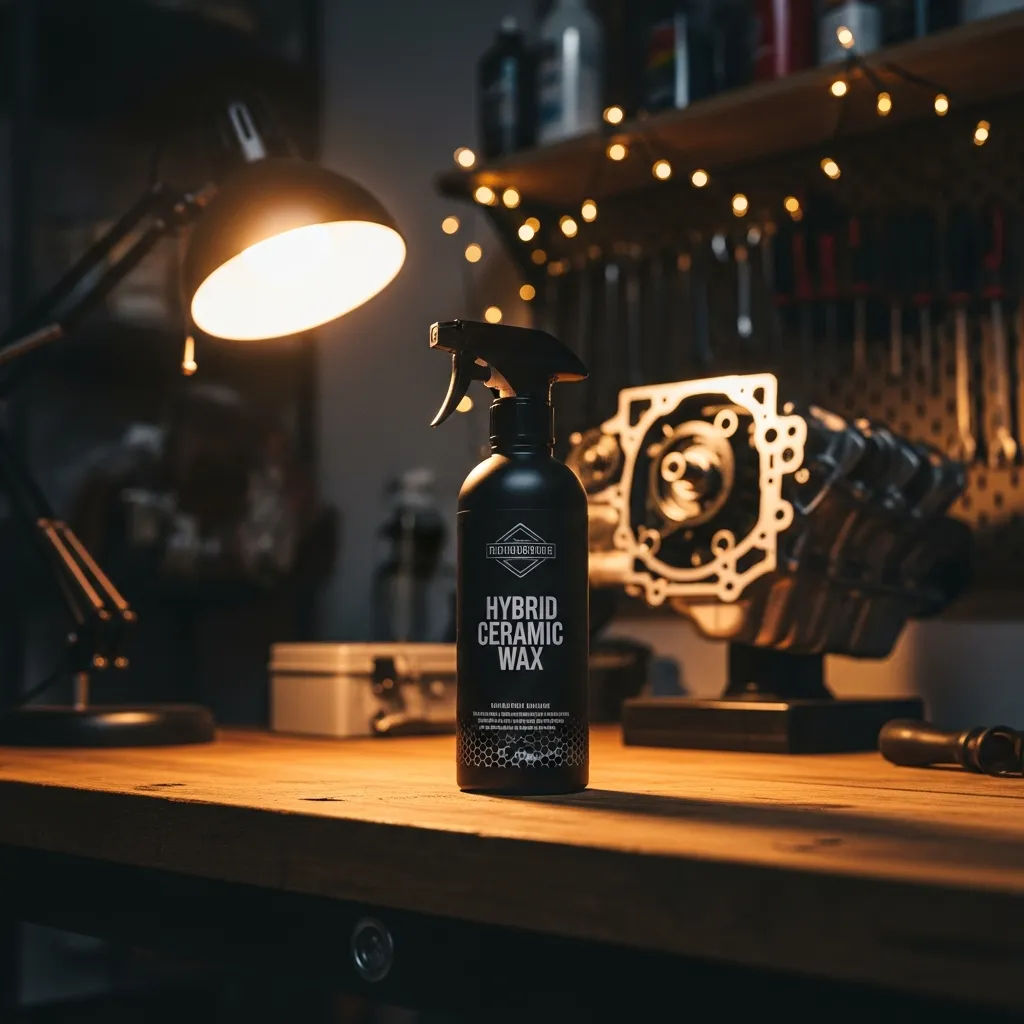
Best for cheap ceramic beading
- Spray on wet or dry
- Strong water beading
- Cheapest per use
Why buy it: the cheapest way to get ceramic-style beading fast.
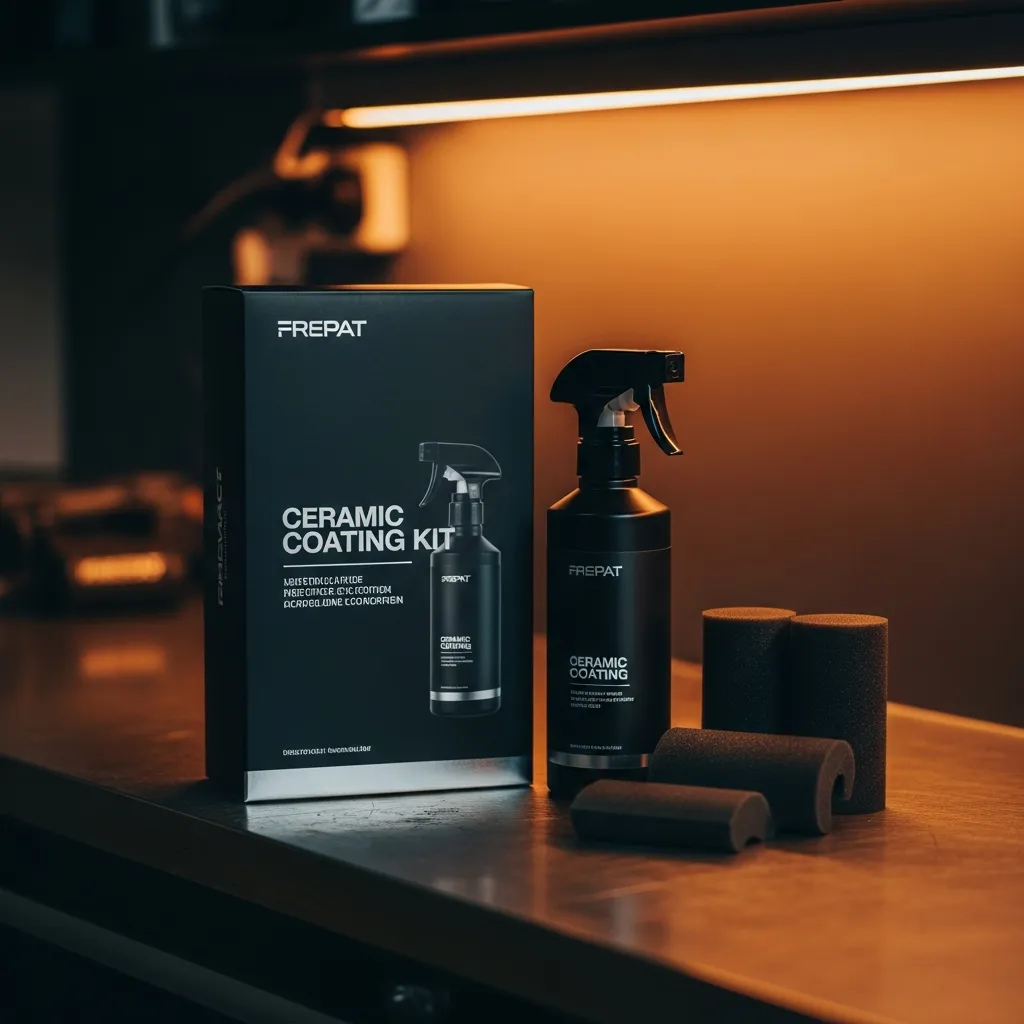
Best for a complete beginner bundle
- Coating + applicators included
- Simple instructions
- Widely available
Why buy it: an all-in-one beginner bundle with everything you need.
Quick Comparison
| Product | Best for | Rating | Price | Buy |
|---|---|---|---|---|
| Adam's Graphene Ceramic Coating | Best Overall | 4.7 | ~$70 | Check |
| CarPro CQuartz UK 3.0 | Best Durability | 4.7 | ~$60 | Check |
| Nexgen Ceramic Spray | Easiest to Apply | 4.5 | ~$30 | Check |
| Gtechniq Crystal Serum Light | Best Premium | 4.6 | ~$90 | Check |
| Meguiar's Hybrid Ceramic Wax | Best Budget | 4.5 | ~$20 | Check |
| Turtle Wax Ceramic Kit | Best Starter Kit | 4.3 | ~$25 | Check |
How We Tested
We use a four-criterion rubric, scored 1–10, averaged into a final rating. No lab robots. No sponsorships. Just enthusiasts with panel wipes, IPA solution, a garden hose and too much time on weekends.
- Durability: how long protection realistically lasts under Australian conditions — UV load, car-wash brushes, bird lime, daily driving.
- Application ease: can a first-timer apply it without streaks, high spots or wasted product? We weigh working time, levelling behaviour and flash indicators.
- Gloss and slickness: gloss is visual depth; slickness is that barely-there surface feel that sheds water, dirt and brake dust before they bond.
- Value: cost per panel, longevity per dollar, and whether you need expensive prep chemicals sold separately.
We also flag beginner-friendliness separately, because a coating that gives professionals incredible results but punishes amateurs is not a fair recommendation for someone doing their first car. Before you apply anything, read our step-by-step application guide and consider the DIY vs professional trade-offs.
1. Gtechniq Crystal Serum Light — Best Overall for DIYers Who Want Professional Results
Crystal Serum Light (CSL) is the consumer-legal version of Gtechniq's professional Crystal Serum Ultra. It is a dual-layer SiO2 system in a single bottle: the bottom layer cures harder, the top stays slightly more flexible to resist stone chips. Durability claims sit at five years, and real-world owner data at 18–24 months suggests the hydrophobicity holds up better than almost anything else in the DIY bracket.
The catch is that CSL is not forgiving. It flashes fast — roughly a 60–90 second window per section before it starts to bind in a way that leaves high spots. If you are not confident in panel-by-panel work, consider the CarPro CQuartz Lite below first.
Pros
- Exceptional durability for a consumer-grade product
- Dual-layer chemistry in one application step
- Widely respected by enthusiasts and professionals
- Excellent aftercare ecosystem (Panel Wipe, EXO top-up)
Cons
- Shorter working time — unforgiving for first-timers
- Premium price
- Requires meticulous paint prep — any swirls get locked in
Our rating: 9.2/10
2. CarPro CQuartz UK 3.0 — Best for Enthusiasts Who Research Before They Buy
CQuartz UK 3.0 has been the enthusiast community's reference point for years. It is a mature SiO2 formulation with a long track record — you can find honest owner reports from people who applied it three or four years ago, which is more than you can say for most newer graphene entries. It produces excellent gloss, slickness that makes wash maintenance noticeably easier, and durability that holds well in the two-to-three-year window.
The UK 3.0 formulation adds higher solids content and improved hydrophobicity. Application is more forgiving than CSL — a longer flash window buys you time to level properly. Still rewards careful prep.
Pros
- Huge community support — troubleshooting advice is easy to find
- Better working time than CSL; more forgiving on large panels
- Very good gloss and a genuinely slick surface feel
- Reload top-up extends life significantly and is easy to apply
Cons
- Requires paint correction — does not hide defects
- Slightly expensive per bottle
- UK 3.0 can be hard to source outside specialist suppliers
Our rating: 8.8/10
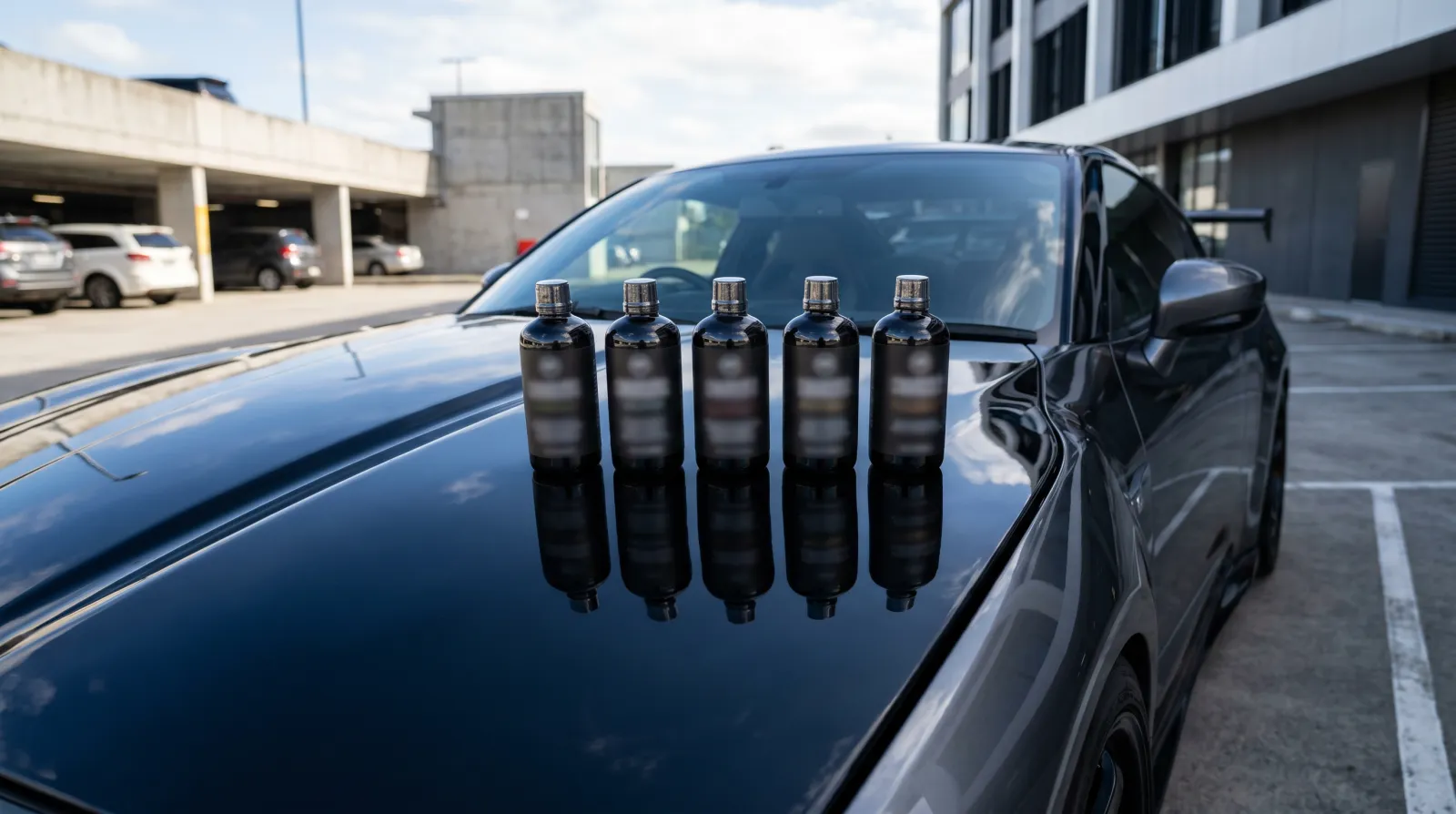
3. CarPro CQuartz Lite — Best Beginner-Friendly Coating That Doesn't Compromise
CQuartz Lite is CarPro's deliberate concession to the reality that most DIY coaters are not professional detailers. It trades some peak durability and slickness for a significantly longer working time and a more obvious flash indicator. If you are coating your first car and don't want to spend the weekend buffing out high spots, this is where you start. Durability sits around 18–24 months — respectable for the price and skill level it targets.
Pros
- Longest working time of any professional-grade SiO2 coating here
- Very clear flash indicator — you can see when it's ready to wipe
- Good value per coat
- Forgiving enough for a clean first-attempt result
Cons
- Lower peak durability than UK 3.0 or CSL
- Slickness, while good, doesn't match higher-tier CarPro offerings
- Not the pick if you want a coating to last beyond two years
Our rating: 8.2/10
4. Gyeon Quartz Mohs — Best for Gloss Addicts
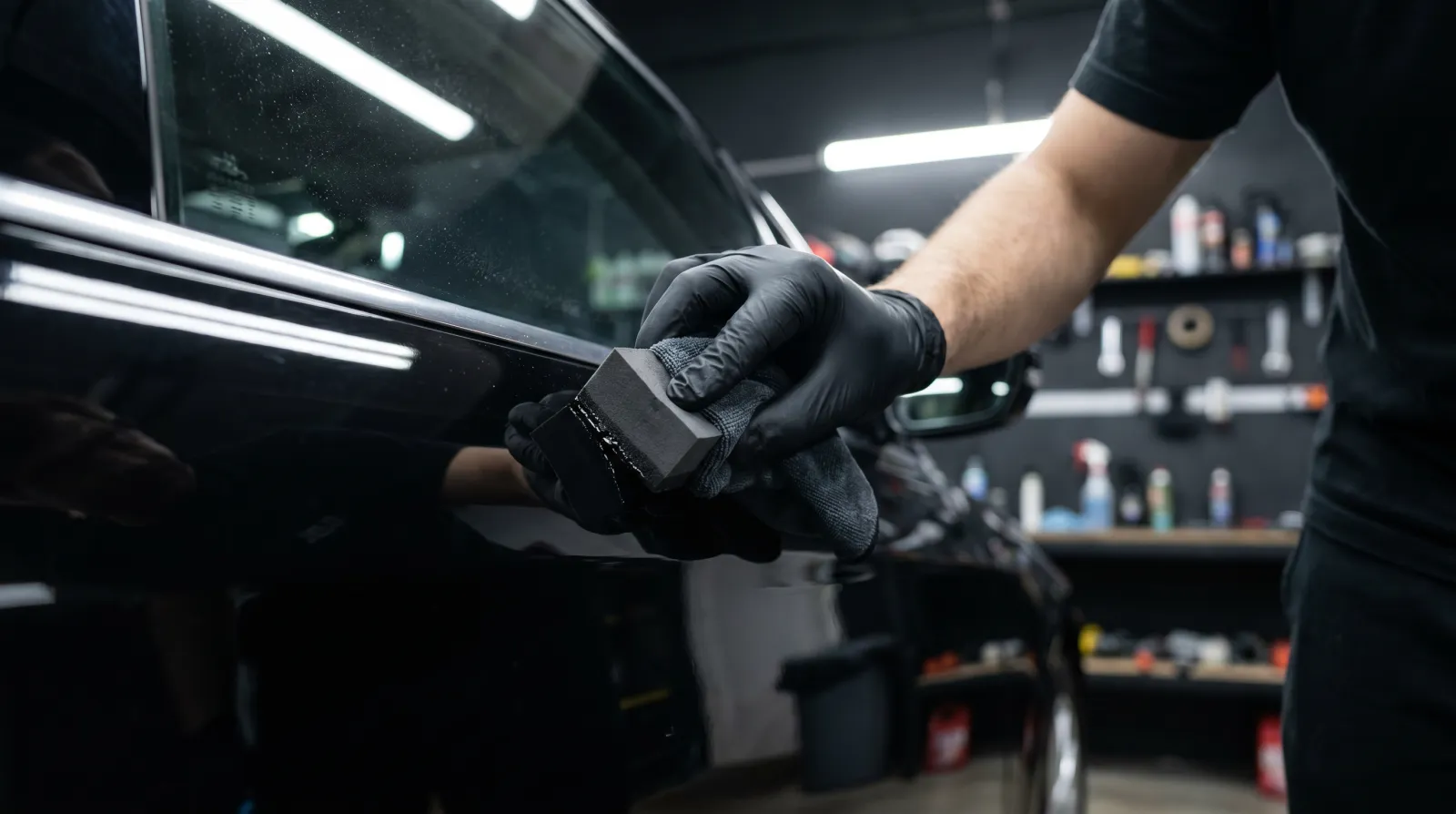
Gyeon Quartz Mohs has a reputation built on one thing: gloss. The depth of reflection on a dark colour in direct sun is genuinely striking. If gloss is your primary objective, this is your product. The trade-off is that Mohs is not beginner-friendly — short working time, and it doesn't telegraph its flash as clearly as the CarPro products. Applied correctly, durability is rated at three-plus years with strong hydrophobicity.
Pros
- Best-in-class gloss on this list, especially on dark paint
- Strong hydrophobicity once cured
- Good durability at 3+ years when maintained
- Excellent maintenance companions (Gyeon Cure, Gyeon Rinse)
Cons
- Short working time — error-prone for beginners
- High spots are punishing to remove after partial cure
- Price-per-millilitre is on the higher side
Our rating: 8.5/10
5. Adam's Graphene Ceramic Coating — Best Graphene Option for Home Garages
Graphene coatings add a carbon lattice to the base SiO2 chemistry. The theoretical benefits are real: better thermal conductivity (dissipating heat rather than baking surface contaminants in) and a harder, more water-spot-resistant structure. Whether those differences are practically significant on a daily driver is debated, but real-world reports on Adam's Graphene are solid — particularly around water-spot resistance in hard-water areas. Adam's also writes instructions aimed at enthusiasts rather than professionals, with extensive support.
Pros
- Better water-spot resistance than comparable SiO2-only products
- Strong thermal dissipation keeps the panel cooler
- Excellent documentation and community support
- Durability rated at 7+ years; early indicators are strong
Cons
- Graphene premium means a higher price than comparable SiO2 options
- Application requires the same care as any pro-grade coating
- Long-term durability data is less established than mature SiO2 products
Our rating: 8.4/10
6. Nasiol ZR53 — Best Value Ceramic Coating
Nasiol has a lower profile in the English-language community than Gtechniq or CarPro, but ZR53 has a legitimate following among people who read the chemistry rather than the brand. It is a SiO2-based nano-ceramic coating delivering durable hydrophobicity and decent gloss at a price that undercuts its European and American competitors meaningfully. Real-world reports suggest two to three years is realistic — respectable given the price.
Pros
- Significantly cheaper than equivalent brands
- Genuine SiO2 nano-ceramic performance — not a wax with marketing copy
- Good hydrophobicity and a slick post-cure feel
- Decent durability for the price category
Cons
- Thinner aftercare and community-support ecosystem
- Less widely stocked
- Application window is not as generous as the beginner picks
Our rating: 7.8/10
7. Mothers CMX / Shine Armor — Easiest Application, Consumer Grade
These are consumer-grade spray-on coatings. They are not in the same performance category as the products above — lower SiO2 concentration, shorter durability (six to twelve months realistically), and modest slickness and gloss gains over a good carnauba. They earn a place here because they are genuinely easy to apply and provide a measurable layer of protection — the right answer for someone who wants better than wax without a weekend of prep. For the full picture see our spray-on vs bottle guide.
Pros
- Wipe-on, wipe-off application — anyone can do it in under an hour
- No flash-time management, no high-spot risk
- Can be applied to a damp surface (model-dependent)
- Cheap enough to reapply every six months without pain
Cons
- Durability of six to twelve months — a fraction of proper kits
- Lower gloss depth and slickness than genuine bottled coatings
- Not a replacement for a proper coating on a car you care about
Our rating: 6.5/10
Comparison Table
All ratings out of 10. See individual reviews above for methodology.
| Coating | Durability | Slickness | Ease | Value | Our Rating |
|---|---|---|---|---|---|
| Gtechniq Crystal Serum Light | 9.5 (4–5 yr) | 9.5 | 6.5 | 7.5 | 9.2 |
| CarPro CQuartz UK 3.0 | 8.5 (2–4 yr) | 9.0 | 7.5 | 7.8 | 8.8 |
| Gyeon Quartz Mohs | 8.5 (3+ yr) | 8.5 | 6.0 | 7.5 | 8.5 |
| Adam's Graphene | 8.0 (7 yr claimed) | 8.5 | 7.5 | 7.0 | 8.4 |
| CarPro CQuartz Lite | 7.5 (18–24 mo) | 8.0 | 9.0 | 8.5 | 8.2 |
| Nasiol ZR53 | 7.5 (2–3 yr) | 7.8 | 7.0 | 9.2 | 7.8 |
| Mothers CMX / Shine Armor | 4.0 (6–12 mo) | 6.0 | 9.5 | 8.0 | 6.5 |
Our Verdict
Overall Winner: Gtechniq Crystal Serum Light
If you are willing to prep properly and work carefully, CSL delivers professional-adjacent results from a bottle. Its durability lead at the DIY price point is real, the slickness is excellent, and the gloss output makes other enthusiasts ask what you used. It is not the coating to learn on — do a practice application on a beater panel, or apply CQuartz Lite first, then come back to CSL once you understand flash timing.
Budget Pick: Nasiol ZR53
ZR53 closes a significant price gap without abandoning performance. You give up some peak slickness and durability versus CarPro and Gtechniq, but you get genuine SiO2 nano-ceramic protection — not wax with a ceramic label. The honest choice for protection without the premium.
Easiest to Apply: CarPro CQuartz Lite
Lite gives beginners the longest working time, the clearest flash indicator and the most forgiving behaviour on this list — while still delivering genuine ceramic performance. If this is your first coating and you don't want an anxious afternoon chasing high spots, start here, then step up to UK 3.0 or CSL next time.
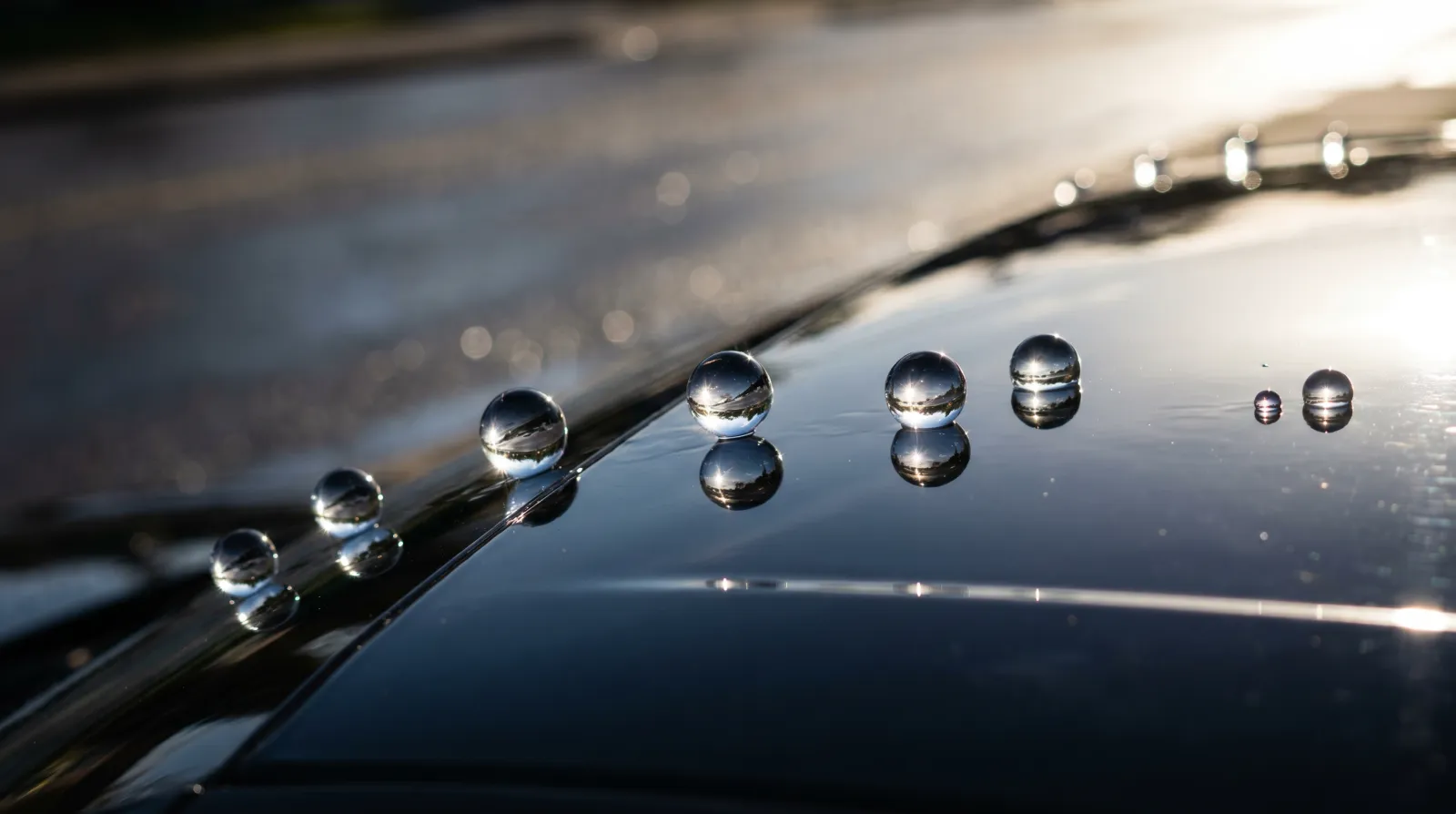
Whatever you choose, prep is the non-negotiable. A coating applied over contaminated, swirled paint will lock in every defect. Read the full application guide before you open the bottle, and if you're debating whether to DIY at all, the DIY vs professional guide gives a straight answer.
Affiliate Disclosure
Some links on this page are affiliate links. If you buy through them we may earn a small commission at no extra cost to you. It never changes our verdicts — we only recommend gear we would run on our own cars. Read the full disclosure.