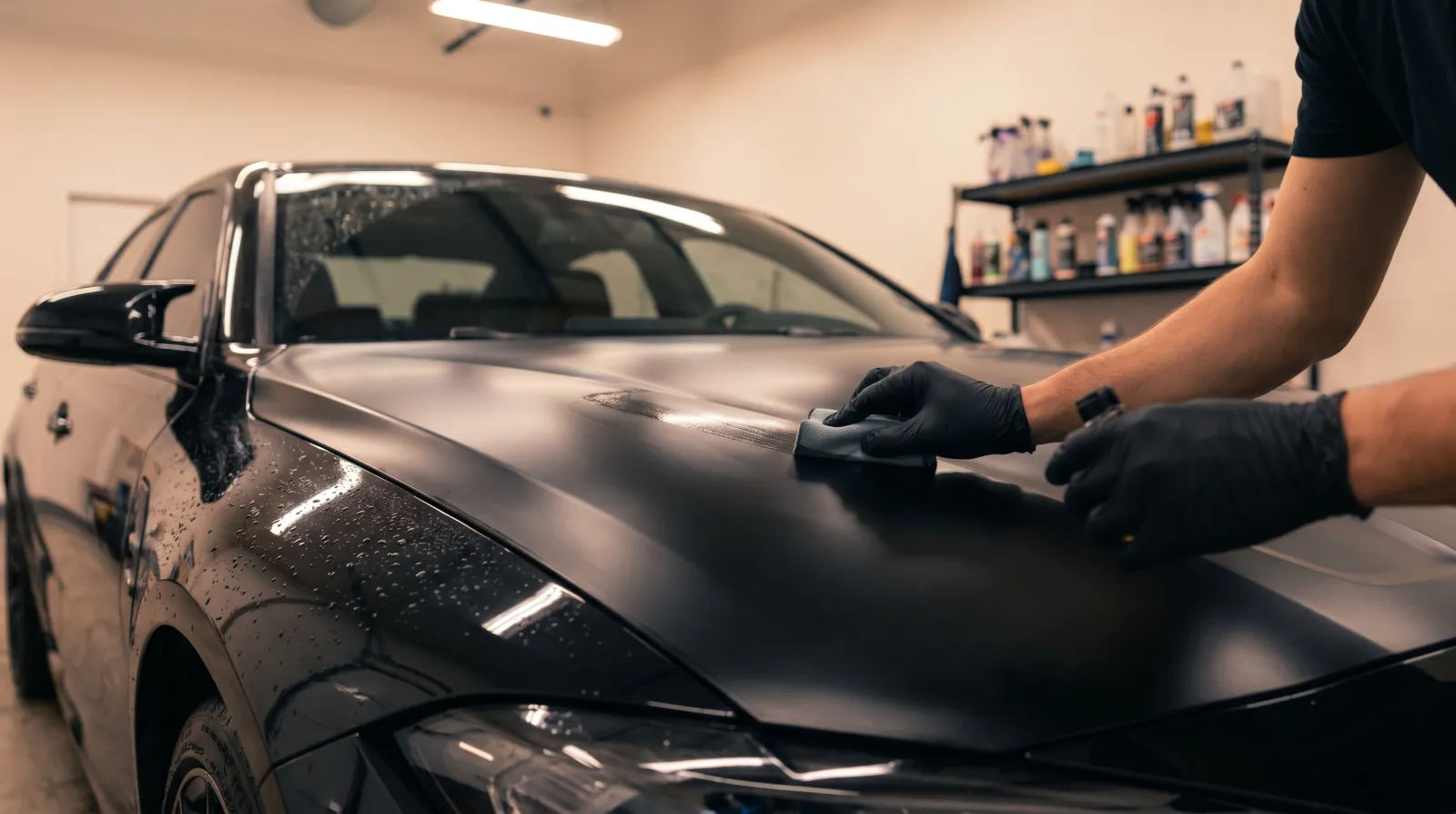
Ceramic coating is one of those purchases where the price range is genuinely baffling at first glance. You can spend $35 on a spray bottle from the auto-parts store or hand over $2,500 to a detailing shop and walk away with a five-year warranty. Both are legitimately "ceramic coating." So what are you actually paying for, and where does your money go?
This page breaks it all down — DIY kit costs, professional installation prices, prep add-ons, and a straight-talking framework for deciding which tier makes sense. If you want the broader picture first, start with our ceramic coating guide and come back here when you're ready to talk numbers.
The Two Worlds: DIY vs Professional
The single biggest variable in ceramic coating cost is who applies it. Everything else — brand, vehicle size, package tier — is secondary to that one decision.
DIY Ceramic Coating: What You Will Actually Spend
DIY breaks into two very different categories, and conflating them is where most people go wrong.
Spray sealants marketed as "ceramic" ($20–$50). Silica-based spray-and-wipe products. Easy to apply, genuinely hydrophobic, but the SiO2 content is low and durability is measured in weeks to a few months. These are maintenance toppers, not coatings.
Genuine consumer-grade bottle coatings ($80–$150). This is where DIY ceramic coating actually starts. Products like Gyeon Mohs+, Gtechniq C1/C2, Adam's UV Graphene and CarPro CQuartz UK require proper prep and a cure window, but lay down a real SiO2 or SiC matrix that bonds to the clear coat. Expect 1–3 years when applied correctly. A single 30–50 ml bottle covers one sedan or compact SUV.
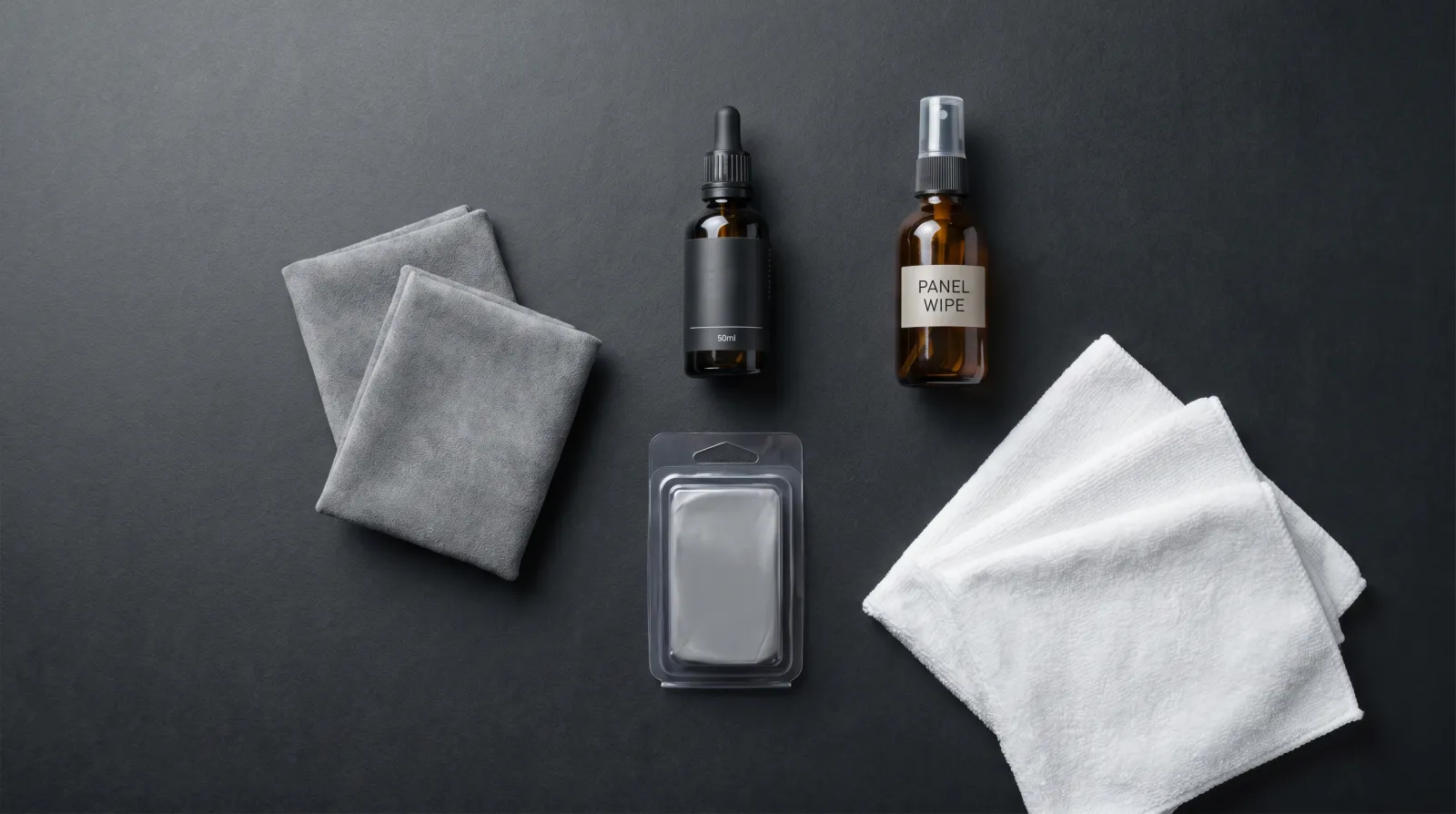
Prep supplies: the cost most guides skip. Budget for iron remover and clay kit ($30–$60), IPA panel wipe ($10–$20), applicator pads and microfibres ($15–$30), and paint-correction polish and pad if needed ($40–$100+). A realistic all-in DIY budget on a sedan, done right: $150–$280. For which products are worth buying, see our best DIY ceramic coating kits round-up.
Professional Ceramic Coating: What the Market Charges
Professional pricing varies more than almost any other detailing service because the labour, coating used, and prep included differ enormously between shops.
| Package Tier | Warranty | Small Car | Mid-Size SUV | Large 4WD/Van |
|---|---|---|---|---|
| Entry / 1-Year | 1 year | $500–$800 | $700–$1,000 | $900–$1,200 |
| Mid / 3-Year | 3 years | $1,000–$1,400 | $1,200–$1,700 | $1,500–$2,000 |
| Premium / 5-Year | 5 years | $1,800–$2,200 | $2,000–$2,500 | $2,300–$3,000+ |
Prices are market estimates. Actual quotes vary by region, shop reputation and vehicle condition.
Why Does Professional Ceramic Coating Cost So Much?
The coating product itself is rarely the biggest line item. A 30 ml bottle of pro coating costs a shop maybe $80–$120 landed. What you are mostly paying for is skilled, careful time.
Paint Correction: The Hidden Cost That Surprises People
Ceramic coating bonds to your clear coat. Whatever imperfections exist there — swirls, light scratches, oxidation, water spots — get locked under the coating permanently. A reputable shop will not coat an uncorrected surface without telling you. Correction adds significant time and cost:
- One-stage (light swirl removal): $200–$400 extra, 4–6 hours
- Two-stage (cut + polish): $400–$800 extra, 8–14 hours
- Full multi-stage on neglected paint: $800–$1,500+
Many $500 "ceramic coating" packages do minimal or no correction. Serious 3-year and 5-year packages include it because cutting that corner defeats the exercise.
Labour, Climate-Controlled Bays and Curing Time
A thorough job on a sedan — decontamination, correction, panel wipe, coating, flash management, levelling — takes 8 to 20+ hours. Shops also need climate-controlled bays to manage temperature and humidity during cure. That infrastructure costs money, and it flows through to your quote.
DIY vs Professional: A Direct Cost Comparison
| Factor | DIY Bottle Coating | Pro 3-Year | Pro 5-Year |
|---|---|---|---|
| Upfront cost (sedan) | $150–$280 | $1,000–$1,400 | $1,800–$2,200 |
| Expected durability | 1–3 years | 3 years | 5 years |
| Cost per year | $75–$185 | $333–$467 | $360–$440 |
| Correction included | Only if you do it | Minor (varies) | Full typical |
| Warranty | None | 3 years | 5 years |
| Risk of failure | Real if rushed | Low | Low |
The cost-per-year framing is the most useful lens. DIY looks cheap upfront but requires your time and skill. A 5-year professional package at $440/year is not far off DIY once you factor in prep supplies, your labour and the risk of reapplication.
Ceramic Coating Cost vs PPF
Ceramic coating defends against chemical damage, UV fade and makes washing easier. PPF defends against rock chips, key scratches and physical impact. PPF costs $1,500–$6,000+ depending on coverage and is a thicker urethane film, not a coating. Many enthusiasts layer both: PPF on impact zones, ceramic on top. For the full breakdown, see our ceramic coating vs wax, sealant and PPF comparison.
What Pushes Your Quote Up or Down
Vehicle size: more panels, more product, more time. Add $200–$500 moving from a sedan to a large SUV. Paint condition: the single most variable cost factor — get your paint inspected under correction lighting before accepting a quote. Coating brand and grade: certified professional products (Ceramic Pro, Gtechniq, System X) often carry manufacturer-backed warranties; ask what's being applied and walk if they won't tell you. Geographic market: major metro shops quote higher than regional ones — let reputation, not geography, drive your decision.
Is Ceramic Coating Worth the Cost?
It is worth it if you maintain your car's appearance seriously, wash regularly, and keep the vehicle long enough to realise the protection and resale value. It is harder to justify if your car already has significant paint damage (you'd lock it in), you rarely wash it, or you plan to sell within 12–18 months.
The honest answer: a professional 3-year or 5-year package on a car you care about is solid long-term value. A $35 spray-on is a glorified quick detailer. The middle ground — a quality DIY bottle coating applied correctly after thorough prep — is genuinely good value for enthusiasts willing to do it properly. If you're ready to explore DIY, our best DIY kits page ranks the top products, or weigh the full DIY vs professional decision first.
Affiliate Disclosure
Some links on this page are affiliate links. If you buy through them we may earn a small commission at no extra cost to you. It never changes our verdicts — we only recommend gear we would run on our own cars. Read the full disclosure.