Affiliate Disclosure
Some links on this page are affiliate links. As an Amazon Associate, we earn from qualifying purchases — at no extra cost to you. We do not buy, test, or physically handle the products we cover; our rankings come from aggregated owner reviews, ratings and expert consensus. Commissions never change our verdicts. How we rank & full disclosure.
Short version: a car emergency kit is not about preparing for a disaster movie — it is about the boring, likely stuff: a dead battery, a flat, a breakdown on a dark shoulder, a minor cut. Get the handful of essentials right and you turn those from a bad day into a minor inconvenience. Below is the honest checklist, sorted by what you actually need first, drawn from what thousands of owners report reaching for when things go wrong.
You can assemble every item yourself, but for most drivers a well-rated pre-made kit is the faster, cheaper starting point — see our ranked picks in best roadside emergency kit — and then upgrade the two or three things that matter most. Here is how to think about it.
The Essentials (Non-Negotiable)
These are the items that earn their place in every car, in every climate. If your kit has nothing else, it needs these.
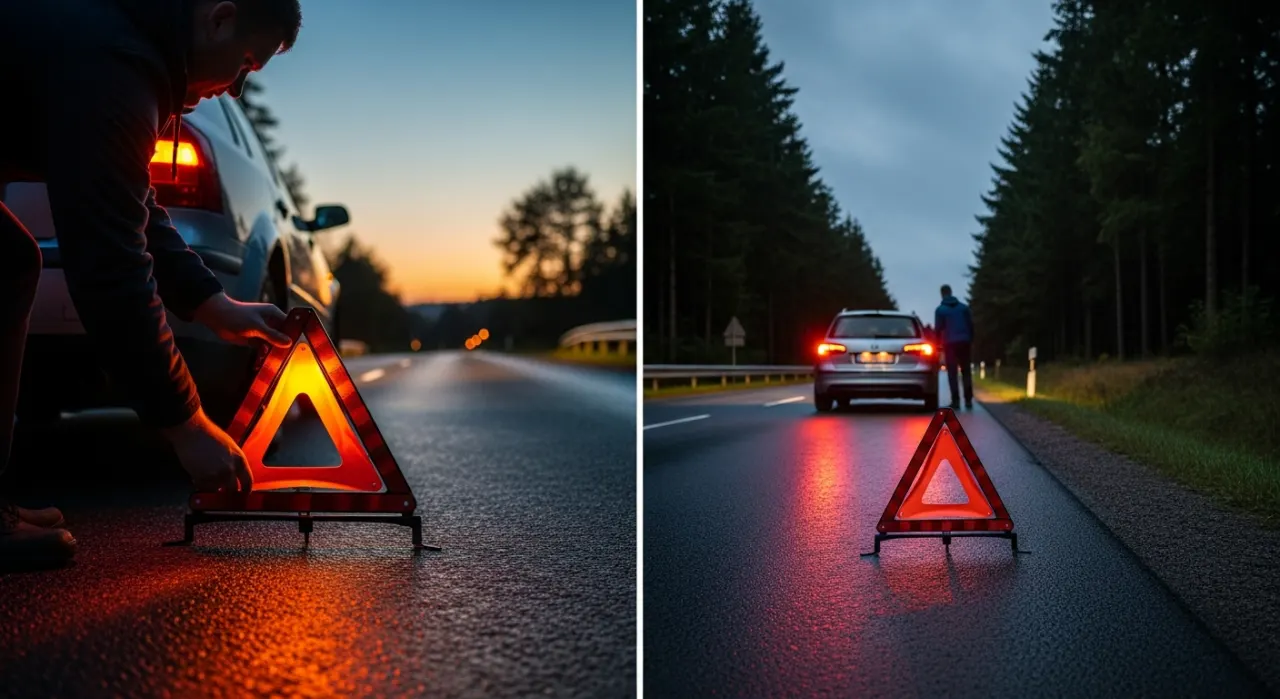
- Visibility gear. A reflective warning triangle is the bare minimum; a set of LED road flares is the upgrade that genuinely keeps a passing car from hitting you on the shoulder. Being seen is the single biggest safety factor in a roadside breakdown.
- Jumper cables or a jump pack. A dead battery is the most common breakdown there is. Cables work if another car stops; a compact lithium jump pack starts your car with no second vehicle and doubles as a phone charger.
- First-aid kit. Even a basic one — bandages, gauze, tape, antiseptic, gloves, pain relief — handles the cuts and scrapes that come with roadside work.
- Flashlight or headlamp. A headlamp is better because it keeps both hands free. Keep spare batteries or choose a rechargeable one, and store it where you can reach it from the driver's seat.
- Escape tool. A combined window-breaker and seatbelt-cutter, mounted within reach, is the item you hope to never use and cannot improvise. We cover the options in car escape tools explained.
- Work gloves. Cheap, and they make every roadside job — changing a tire, handling a hot component — safer and less miserable.
The Breakdown-Fixers
The next tier gets you moving again instead of just staying safe while you wait. Owners consistently rate these as the difference between a five-minute fix and a two-hour wait for a truck.
- Tire repair and inflation. A tire plug kit and a small 12V air compressor (or a can of sealant) can turn a slow leak or a nail into a drive-home instead of a tow. Do not forget a working spare and the jack and wrench to fit it.
- A tow or recovery strap. If you get stuck in mud, snow or a ditch, a rated recovery strap lets a willing truck pull you out — just learn to use it safely first in how to use a tow strap safely.
- Basic tools. A multi-tool or a small set with pliers, screwdrivers and an adjustable wrench, plus duct tape and zip ties, covers a surprising number of temporary roadside fixes.
- A fire extinguisher. A small, mounted car fire extinguisher is the one item on this list that a general kit almost never includes — and the one you cannot substitute in the moment.
The Survival & Comfort Layer
These matter most when a breakdown becomes a wait — stranded somewhere remote, or stuck for hours until help arrives.
- Water and non-perishable snacks. A few bottles of water and some energy bars cost nothing and matter enormously if you are stuck for hours, especially with kids in the car.
- A blanket or emergency bivvy. Warmth if you break down in the cold, shade if you break down in the heat.
- A phone power bank and cable. Your phone is your lifeline to help and navigation — a dead phone in a breakdown is its own emergency. A charged power bank fixes it.
- A rain poncho and paper towels. Small comforts that make roadside work in bad weather far less grim.
- Cash and a printed emergency contact card. Useful when phones die or signal disappears.
Seasonal & Regional Extras
The base kit is the same everywhere, but where and when you drive changes what you add on top. In hot climates, lean into extra water, shade and sun protection. In cold climates, a general kit is not enough on its own — you need a dedicated cold-weather layer with a warm blanket, hand warmers, an ice scraper, a small folding shovel and traction aids. We break that down fully in the winter car emergency kit guide. If you drive long distances through remote areas, scale up the water, food and warmth accordingly — help can be a long way off.
How to Build It Without Overthinking It
The mistake that keeps people from having any kit at all is trying to build the perfect one. Do not. Start with a well-rated pre-made kit so you have the essentials in one bag today, then make three upgrades over the following weeks: add a lithium jump pack (more reliable than cables and needs no second car), add brighter LED flares for visibility, and mount a fire extinguisher and escape tool within reach. That sequence gets you from unprepared to genuinely ready without a single wasted purchase.
Then do the one thing most people skip: check it twice a year. Batteries die, supplies expire, and a kit you never open is a kit you cannot trust. Ten minutes every six months keeps it real.
The Bottom Line
A car emergency kit is cheap insurance against the ordinary bad luck of driving. Nail the six essentials — visibility, a way to start the car, first aid, light, an escape tool and gloves — then layer on the breakdown-fixers and comfort items that match how and where you drive. The fastest path is a solid pre-made kit plus a few smart upgrades. For the full picture of roadside safety, head back to the roadside emergency & safety hub.